••
Parliamentary Caucus and NYA Call for Strategic Investment in Ghana’s 12 Million Youth to Secure Economic Future
•2 min read•8 sources
Ghanaian leaders are sounding an urgent call for massive investment in the nation’s youth to harness a critical 'demographic dividend' and safeguard the country's economic future. With Ghana’s population now reaching approximately 34.4 million, nearly one-third—about 12 million people—are aged between 15 and 35. During a statement commemorating World Population Day 2026, the Chairperson of the Parliamentary Caucus on Population and Development, Patricia Appiagyei, warned that the nation risks losing a vital opportunity for growth if it fails to address the systemic barriers currently hindering young people, including high unemployment, skills mismatches, and mental health challenges.
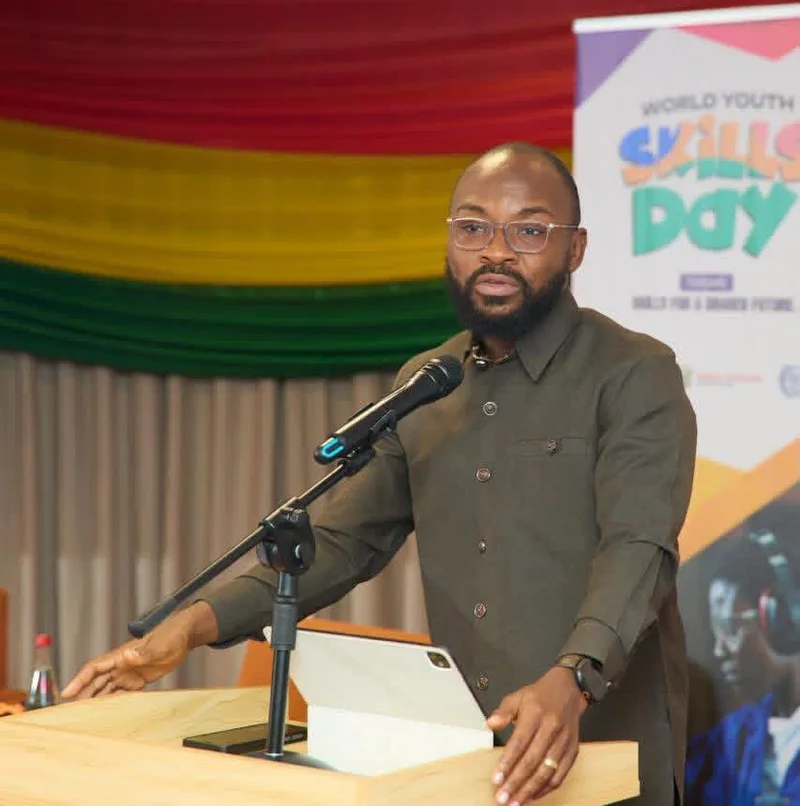
Supporting this vision, the National Youth Authority (NYA) has emphasized that the nation’s survival depends on how effectively it prepares the next generation for an evolving job market. Osman Ayariga, CEO of the NYA, highlighted the National Apprenticeship Programme (NAP) and the 'One Million Coders Initiative' as essential pillars for equipping youth with modern, employable skills. Ayariga urged young Ghanaians to prioritize practical expertise and technical vocational education and training (TVET) over traditional certifications alone, arguing that diligence and masterly of specific crafts are the keys to successful self-employment and national productivity.
However, both the Parliamentary Caucus and the NYA identified significant gaps in the current development framework. Madam Appiagyei noted that adolescent pregnancy and a lack of access to comprehensive health services continue to stifle the potential of young women, while Mr. Ayariga pointed to a shortfall in the participation of persons with disabilities (PWDs) in national skills programs. The NYA has committed to improving inclusive access, ensuring that government initiatives provide tools and training to all segments of the youth population regardless of physical ability.
Ultimately, the call for youth empowerment requires a multi-sectoral approach involving parliamentarians, development partners, and the private sector. By aligning national policies with international development goals, the Parliamentary Caucus and the NYA aim to create a sustainable environment where Ghana’s youth can lead the country’s transformation. The consensus among these stakeholders is clear: the current demographic shift is only an advantage if it is met with decisive action in education, healthcare, and job creation to ensure no young person is left behind.
This story touches markets covered on Anansi Intelligence ↗.
More from education
Continue exploring similar stories


