••
Parliament's Education Committee Flags 'Exorbitant' Distance Learning Fees at Ghana's Public Universities
•3 min read•5 sources
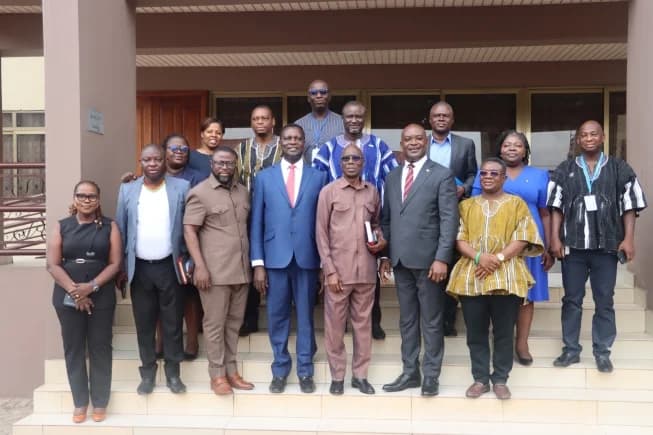
The Parliamentary Select Committee on Education has expressed grave concerns regarding the high cost of distance education programs in Ghana, characterizing the current fee structures as potentially exploitative. During a formal visit to the Ghana Tertiary Education Commission (GTEC) headquarters, Dr. Fred Kyei Asamoah, a member of the committee, highlighted a worrying disparity between the fees charged for distance learning and those for traditional, on-campus programs. The committee observed that distance education programs, which typically require fewer physical resources, are often priced significantly higher than regular programs, suggesting that universities may be prioritizing these offerings as a primary source of revenue rather than as a tool for accessible education. Beyond the financial burden on students, the committee raised alarms about the systemic incentives these high fees create. Members suggested that the lack of fee regulation for distance learning programs encourages public universities to prioritize these costly alternatives over traditional enrollment. This trend, they argue, risks turning tertiary education into a profit-driven venture that exploits students seeking flexible learning options. There is also a growing concern that the expansion of distance programs has not been matched by a focus on quality, with some committee members, including Dr. Yaw Osei Adutwum, pointing out that many graduates of these programs face significant challenges in the job market due to poor alignment between course content and industry needs. In response to these criticisms, the Director-General of GTEC, Professor Ahmed Jinapor, clarified the commission's current regulatory limitations. He explained that distance education fees currently operate under a market-based system and fall outside GTEC's direct jurisdiction, meaning the commission lacks the legal mandate to cap or control these costs. Prof. Jinapor also echoed the committee's concerns regarding the relevance of certain academic programs, noting that some universities continue to replicate international curricula that do not address local economic realities or job market demands. He stressed that without legislative intervention or a change in policy from Parliament, GTEC’s ability to curb these high costs remains restricted. To address these challenges, the Parliamentary Committee and GTEC are advocating for a more robust framework of accountability and quality assurance. This includes a proposal for GTEC to implement a formal ranking system for university programs, which would provide transparency regarding the success rates and market relevance of various courses. The goal is to ensure that students are receiving value for their investment and that the education sector effectively contributes to national development. Both parties emphasized the need for closer collaboration to reform the sector, ensuring that distance education becomes a viable, affordable, and high-quality path for Ghanaian students rather than a financial burden. Moving forward, the committee's findings are expected to inform potential legislative reviews aimed at granting GTEC more authority to regulate fee structures and enhance educational standards across the country.
This story touches markets covered on Anansi Intelligence ↗.
More from education
Continue exploring similar stories


