••
Parliament Approves Sweeping Cocoa and Infrastructure Reforms as Government Defends 2026 Mid-Year Budget
•3 min read•23 sources
In a series of decisive legislative moves, Ghana’s Parliament has passed the landmark Ghana Cocoa Board (COCOBOD) Bill 2026 and a new electronic road tolling agreement, anchoring President John Mahama’s economic agenda. These reforms, alongside four new tax bills, aim to stabilize the national economy through modernized revenue collection and enhanced support for the agricultural sector. During the ongoing 2026 Mid-Year Budget Review, the administration has framed these measures as essential steps toward fiscal discipline and value-for-money investment, while the opposition New Patriotic Party (NPP) continues to challenge the government over unfulfilled job creation promises and regional development gaps.
The Ghana Cocoa Board Bill 2026 represents a major shift in the industry, mandating that cocoa farmers receive at least 70% of the Free on Board (FOB) export price. Defended by Deputy Finance Minister Thomas Nyarko Ampem, the bill moves COCOBOD away from its traditional reliance on expensive international syndicated loans toward a more sustainable local financing model. The legislation also designates cocoa farms as protected lands to combat the scourge of illegal mining (galamsey) and requires that 50% of all cocoa produced be processed domestically to add value and create jobs. Despite its passage, Minority members, including Kojo Oppong Nkrumah, expressed concerns over the speed of the bill's approval, arguing that such significant changes required more extensive stakeholder consultation with farmers’ groups and civil society.
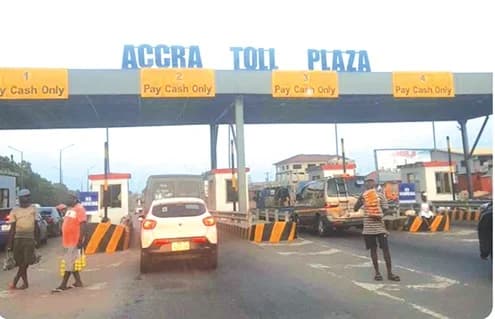
Complementing the agricultural reforms, Parliament approved a 20-year concession agreement with Rock Africa Limited to reintroduce road and bridge tolls through a modernized electronic collection system. This public-private partnership covers 66 locations nationwide, with the government slated to receive 70% of the gross revenue. Simultaneously, the passage of the Excise, Customs, Income Tax, and VAT (Amendment) Bills seeks to streamline the tax regime. Notable changes include the abolition of a 20% duty on locally produced fruit juices to support the agro-processing sector and the exemption of the national daily minimum wage from income tax, providing targeted relief to low-income earners and local manufacturers.
The legislative progress comes amidst a sharp exchange in the House during the 2026 Mid-Year Budget Review. Ketu North MP Eric Edem Agbana defended the administration's expenditure, arguing that fiscal discipline should not be mistaken for a lack of investment in national development. This was countered by Okaikwei Central MP Patrick Yaw Boamah, who questioned the government’s priorities, citing unfulfilled promises to create 800,000 jobs and delays in payments to public-sector workers. Additionally, the NPP has demanded an explanation for the exclusion of the Upper East Region from the $500 million World Bank-funded Ghana Market Access and Connectivity Project (GMACP), signaling that regional equity remains a potent political flashpoint as the government moves forward with its 2026 fiscal plan.
This story touches markets covered on Anansi Intelligence ↗.
Related topic
NPP (New Patriotic Party): Latest News →More from politics
Continue exploring similar stories


