••
Oxford University's Rapidly Developed Ebola Vaccine Enters UK Human Trials to Address DR Congo Outbreak
•2 min read•1 source
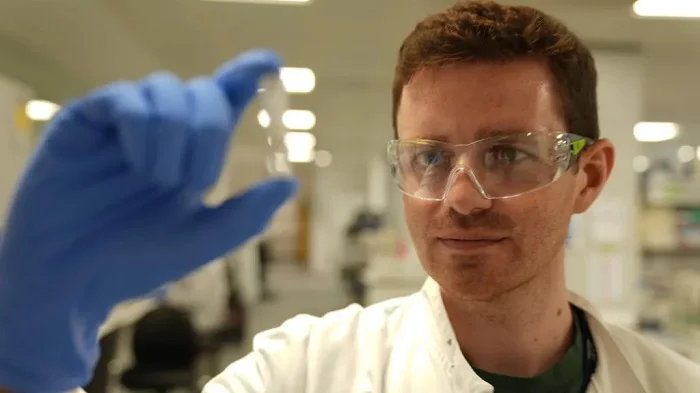
Scientists at the University of Oxford have reached a significant milestone in global health with the regulatory approval of a new Ebola vaccine for human clinical trials in the United Kingdom. Developed in a remarkably short span of just eight weeks, this vaccine is the first of four candidates currently under development to address the persistent threat of Ebola, particularly the ongoing outbreak in the Democratic Republic of the Congo. With 625 fatalities already reported in the region, the urgency for a viable medical intervention has never been higher. The trial will initially involve 50 healthy adult volunteers between the ages of 18 and 55 to establish the vaccine's safety profile and ability to generate an immune response. The technology behind this rapid development leverages the same ChAdOx1 viral vector platform used in the successful Oxford/AstraZeneca COVID-19 vaccine. This method utilizes a harmless, modified virus to deliver genetic instructions to the body, prompting an immune response without causing the disease itself. By building on a proven technological foundation, the Oxford team has been able to expedite the manufacturing process, already producing approximately 620,000 doses in anticipation of wider deployment. This strategy is critical for responding to pathogens in conflict-affected areas where healthcare infrastructure is often compromised and speed is of the essence. Looking ahead, the research team is already preparing to extend clinical trials to the African continent, where the vaccine can be tested in the environments most affected by the virus. While Oxford leads this specific effort, the global scientific community is pursuing multiple avenues, including a Moderna candidate that utilizes mRNA technology. The successful rollout of these trials represents a proactive shift in pandemic preparedness, aiming to provide a robust shield against future outbreaks and ensure that life-saving vaccines are ready before a crisis escalates further.
This story touches markets covered on Anansi Intelligence ↗.
More from health
Continue exploring similar stories


