••
Oxford University Launches Trial for Experimental Ebola Vaccine as DRC Outbreak Surpasses 1,300 Deaths
•2 min read•5 sources
A landmark clinical trial for an experimental Ebola vaccine has commenced at the University of Oxford, marking a critical step in the fight against a worsening outbreak in the Democratic Republic of Congo (DRC). Ed Hunt, a 37-year-old volunteer from the United Kingdom, became the first person to receive the dose, which was developed in just eight weeks. The trial comes at a pivotal moment as the DRC reports nearly 3,000 confirmed cases and over 1,300 deaths, making this the fastest-growing Ebola outbreak on record. While a licensed vaccine exists for the Zaire species of the virus, there is currently no approved vaccine for the Bundibugyo species responsible for the current surge in Central Africa.
The experimental vaccine utilizes the same adenovirus vector technology employed in the Oxford-AstraZeneca COVID-19 vaccine. This phase-one study aims to recruit 50 healthy volunteers aged 18 to 55 to evaluate the safety of the vaccine and its ability to induce a protective immune response. Researchers are optimistic about the rapid development cycle, and the Serum Institute of India has already prepared 600,000 doses to be deployed immediately if the clinical trials prove successful. Importantly, the vaccine does not contain the live virus, ensuring it cannot cause the disease in recipients.
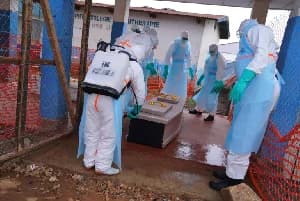
On the ground in the DRC, the healthcare response faces a complex landscape of progress and setbacks. In the Ituri province, which accounts for nearly 90% of the cases, medical staff in Bunia report a significant increase in community trust, with more individuals voluntarily seeking treatment at health centers. However, this progress is threatened by internal labor disputes and safety concerns; health workers at the Elikya Ebola Treatment Centre recently went on strike over unpaid bonuses. Furthermore, the medical community has paid a heavy price, with over 100 healthcare workers infected since the outbreak's onset.
The World Health Organization (WHO) currently assesses the global risk of the virus spreading beyond Central Africa as low, noting that Ebola is less transmissible than respiratory viruses. Nevertheless, the absence of an approved vaccine for the Bundibugyo strain remains a major hurdle for containment. The Oxford trial represents a beacon of hope for providing a vital tool to health authorities who are currently struggling with funding shortages and the logistical challenges of managing a high-fatality epidemic in a volatile region.
This story touches markets covered on Anansi Intelligence ↗.
More from health
Continue exploring similar stories


