••
Oti Region Reports High Prevalence of Child Marriage Among Adolescents, Data Shows Over 1,100 Cases in Nkwanta North
•2 min read•1 source
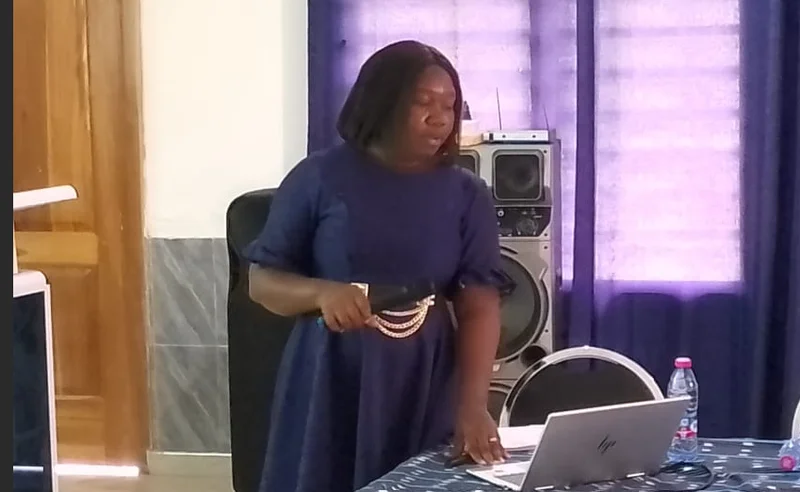
Recent data from the Ghana Statistical Service (GSS) has revealed a concerning prevalence of child marriage among children aged 12 to 17 in the Oti Region. The findings highlight a significant gender disparity, with girls constituting the overwhelming majority of those entering into early unions. This revelation was brought to the forefront during a regional stakeholder engagement organized to address child marriage and gender-based violence, where officials emphasized the urgent need for targeted interventions to protect the rights and educational prospects of young residents in the region.
Specific district-level data underscores the severity of the crisis in certain pockets of the Oti Region. The Nkwanta North District reported the highest incidence, with more than 1,100 recorded cases, most of which involve female adolescents. This is closely followed by the Nkwanta South District, which recorded nearly 900 cases. Esther Hammond, the Acting Oti Regional Director of the Department of Gender, Children and Social Protection, noted that while numbers vary across other districts, the overall trend remains a persistent challenge to the region's social and educational development goals.
Stakeholders at the event identified several systemic issues contributing to the high rates of early marriage, including economic hardships and gaps in the enforcement of existing child protection laws. There is a consensus among regional leaders that addressing the root causes requires a multi-pronged approach that combines legal rigor with expanded educational opportunities. By keeping children—particularly girls—in school longer, the region hope to provide viable alternatives to early marriage and break the cycle of poverty that often drives these unions.
Moving forward, the Department of Gender and its partners are calling for enhanced collaboration across all sectors to safeguard children's rights. The strategy involves not only stricter policing of child protection statutes but also robust community-based initiatives and economic support for vulnerable families. Ensuring that adolescents in the Oti Region can complete their education without the threat of premature marriage remains a critical priority for regional authorities and non-governmental organizations alike.
This story touches markets covered on Anansi Intelligence ↗.
More from education
Continue exploring similar stories


