••
Kojo Oppong Nkrumah Proposes 5-Point Overhaul to Combat Ghana’s Rising Youth Unemployment Crisis
•3 min read•19 sources
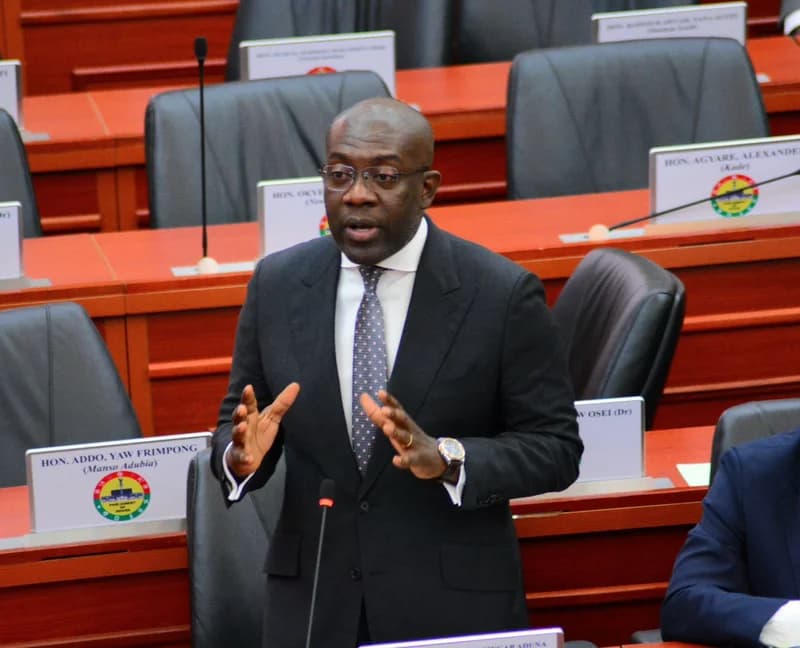
Kojo Oppong Nkrumah, the Member of Parliament for Ofoase-Ayirebi and former Information Minister, has sounded a national alarm over the escalating youth unemployment crisis in Ghana. Citing recent data from the Ghana Statistical Service, Nkrumah revealed that the unemployment rate for those aged 15-24 reached 32% in December 2024 and climbed to 32.5% by the third quarter of 2025. The situation is particularly dire in Greater Accra, where nearly half of the youth population—49.3%—is currently jobless. With approximately 1.34 million young people classified as being Not in Education, Employment, or Training (NEET), the MP warned that the nation's future stability hinges on a bipartisan commitment to move beyond political slogans toward practical, measurable solutions.
To address this crisis, Nkrumah proposed a comprehensive five-point strategy during parliamentary discussions. His plan calls for the implementation of delivery scorecards to hold job creation programs accountable, as well as the clear separation of funding for skills development and direct job creation to ensure training aligns with market demand. He further advocated for shifting the focus from government financing to private sector participation, establishing a certified "apprenticeship economy," and creating a credible Labour Market Information System. This system would provide policymakers with timely data on job vacancies and skills gaps, preventing the oversupply of graduates in sectors that cannot absorb them.
The parliamentary session also saw heated exchanges regarding the effectiveness of previous and current government interventions. Sammy Awuku, the MP for Akuapem North, criticized the shortcomings of major initiatives like the "Big Push" program, which he claimed targeted 900,000 jobs but had employed fewer than 10,000 people nearly two years into its tenure. Awuku emphasized that the growing frustration among the youth reflects a failure to translate campaign promises into reality. These critiques highlight a growing consensus among some legislators that existing employment strategies require an immediate and radical rethink to avoid further economic stagnation.
In response to these concerns, Deputy Majority Leader George Ricketts-Hagan defended the government’s performance, asserting that the administration's primary focus has been on stabilizing an economy that was left in distress. Ricketts-Hagan argued that economic recovery and stabilization are the necessary precursors to sustainable job creation. He cautioned against the politicization of the unemployment issue, describing it as a long-standing challenge that requires collective responsibility. While expressing optimism that job opportunities will naturally emerge as the economy grows, he urged for patience and a serious approach to tackling the structural issues underlying Ghana's labor market.
This story touches markets covered on Anansi Intelligence ↗.
More from politics
Continue exploring similar stories


