••
Vice President Jane Naana Opoku-Agyemang Launches Revised National Cultural Policy to Bolster Ghana's Creative Economy
•2 min read•13 sources
Vice President Professor Jane Naana Opoku-Agyemang has officially launched the Revised National Cultural Policy at the National Theatre in Accra, marking a significant shift in how Ghana intends to leverage its heritage for development. This landmark initiative aims to harness the nation’s rich cultural assets and creative industries as central pillars for economic growth, job creation, and social inclusion. The policy, which aligns with the United Nations Sustainable Development Goals and the African Union’s Agenda 2063, is designed to preserve national identity while fostering a robust creative economy that empowers the youth and women through innovation and entrepreneurship.
During the launch, the Vice President emphasized the importance of collaboration among stakeholders to unlock the economic potential of the arts. She highlighted that the policy integrates technological advancements and digital innovation to enhance cultural outreach and promote multilingualism. Minister of Tourism, Culture and Creative Arts, Madam Ablah Dzifa Gomashie, echoed these sentiments, noting that the framework provides a renewed focus on cultural tourism, financing for creative professionals, and infrastructure development. International partners, including UNESCO and the European Union, have pledged their support, with UNESCO praising Ghana’s commitment to using culture as a catalyst for sustainable development and a means of restoring African pride.
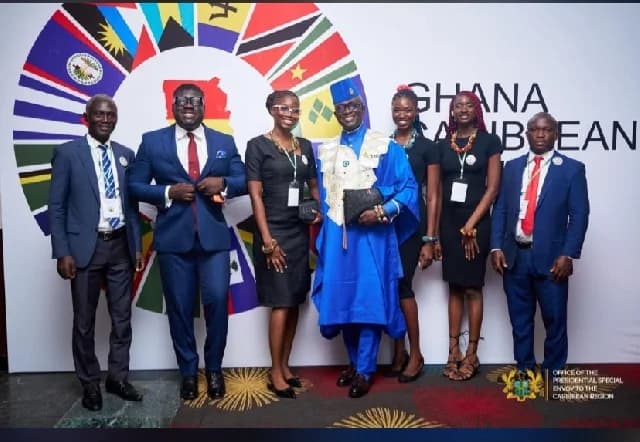
This cultural push coincides with broader efforts to strengthen Ghana’s regional and international economic ties. In a concurrent meeting of Senior Trade Officials in Accra, the Deputy Minister for Trade, Agribusiness and Industry, Mr. Sampson Ahi, urged ECOWAS member states to enhance regional solidarity. He stressed the necessity of a more integrated West African market to navigate global economic uncertainties, particularly through the diligent implementation of the African Continental Free Trade Area (AfCFTA). These efforts were further complemented by the conclusion of the inaugural Ghana-Caribbean Week, which aimed to position Ghana as a strategic gateway for diaspora investment and foster deeper diplomatic and culinary ties with the Caribbean.
Together, these initiatives represent a multifaceted strategy by the Ghanaian government to diversify the economy through soft power and regional integration. The Revised National Cultural Policy, in particular, sets the stage for a more structured approach to measuring the economic impact of culture while protecting the nation’s intangible heritage. As implementation begins, the focus will shift toward creating accessible financing for creative entrepreneurs and ensuring that Ghana’s cultural assets remain protected and globally competitive for future generations.
This story touches markets covered on Anansi Intelligence ↗.
More from politics
Continue exploring similar stories


