••
Ghana’s Education Sector Urged to Align with Technological Trends and National Development Goals
•3 min read•9 sources
Government officials and educational leaders across Ghana are calling for a fundamental shift in the country’s academic landscape, advocating for a transition from traditional certificate-driven learning to a model rooted in technology and practical skills. Vice-President Professor Naana Jane Opoku-Agyemang, speaking at the Kwame Nkrumah University of Science and Technology (KNUST), emphasized that technology is a strategic tool essential for safeguarding the quality of education. She noted that the nation's future depends on the innovation and character of its graduates. Similarly, Education Minister Haruna Iddrisu, during the inauguration of a new 200-bed hostel at Wisconsin International University College, urged vice-chancellors to tailor academic training to meet the specific developmental needs of the country, ensuring that tertiary missions foster national growth.
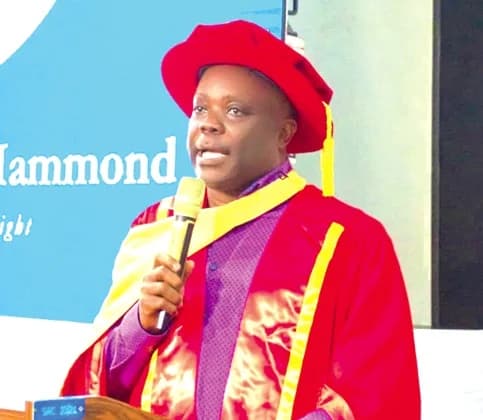
This call for reform is echoed by academic experts who warn that Africa must adapt to the burgeoning Artificial Intelligence (AI) economy. Professor Felix N. Hammond, Chairman of the Governing Council of Southshore University College, argued during the school's 10th congregation that employers now prioritize practical capabilities over mere academic qualifications. He encouraged universities to reform curricula to foster critical thinking and problem-solving. This sentiment was supported at the 15th graduation ceremony of the Kofi Annan International Peacekeeping Training Centre (KAIPTC), where Commandant Air Vice Marshal David Akrong reminded 162 graduates that integrity and ethical leadership are as vital as academic success in addressing the continent’s challenges.
Institutional milestones across the country also highlighted the growing emphasis on infrastructure and community support. Adaklu Senior High School (ADASEC) celebrated its first speech and prize-giving day in its 42-year history, using the occasion to launch a GH"400,000 alumni-supported underground water reservoir project. In Accra, British Columbia College marked its 10th anniversary by graduating 42 students under a Canadian-based curriculum, while the Zonta Club of Accra II installed new leadership committed to expanding educational opportunities for women and girls through its Girls Fellowship Programme and new library initiatives.
Despite these advancements, experts suggest that the path to success for today’s youth remains complex due to intense societal and financial pressures. Writer Isaac Game Mawulorm highlighted the mental health toll of social media and the rush for financial stability, urging students to focus on personal growth and skills training. This need for a balanced approach to education was exemplified by international footballer N'Golo Kanté, who recently shared how he secured a diploma in accounting as a backup plan before his professional sports career took off. Together, these developments signal a national consensus: for Ghanaian education to remain relevant, it must combine rigorous infrastructure, technological fluency, and a focus on character-led, practical expertise.
This story touches markets covered on Anansi Intelligence ↗.
More from education
Continue exploring similar stories


