••
Ghana Charts Path for Sovereignty and Economic Stability Amid Global Calls for Reform
•3 min read•22 sources
Vice President Professor Jane Naana Opoku-Agyemang has cautioned against premature celebrations regarding Ghana's recent macroeconomic improvements, asserting that "the work is only beginning." Speaking at the 2026 Oxford Africa Conference, she emphasized that while initial reforms under the government’s recovery strategy show promise, national development goals remain incomplete. Her remarks were echoed by Finance Minister Dr. Cassiel Ato Forson, who stressed the necessity of maintaining strict fiscal discipline following the country's exit from the International Monetary Fund (IMF) programme. The leadership’s cautious stance aims to reassure global stakeholders of a commitment to long-term stability and to avoid historical patterns of budget indiscipline that have previously led to financial crises.
On the domestic economic front, the government is advancing structural reforms in the energy and financial sectors. Technical advisor Dr. Theo Acheampong announced that private-sector participation in the Electricity Company of Ghana (ECG) is slated to begin by early 2027. This initiative, developed in collaboration with the IMF, seeks to address the utility's significant commercial and technical losses through public-private partnerships rather than outright privatization. However, the move faces stiff opposition from organized labor, with the Trades Union Congress (TUC) signaling readiness to resist the transition. Simultaneously, Dr. Dennis Nsafoah, an economics professor, has urged the Bank of Ghana to remain strictly focused on its mandate of price stability. He argued that monetary policy is best suited for controlling inflation rather than driving employment, which should instead be managed through fiscal and industrial policies.
Internationally, Ghana is pushing for a "global development reset" to address declining aid flows and mounting debt burdens. At a high-level OECD summit in Paris, Deputy Chief of Staff Nana Oye Bampoe Addo highlighted a significant drop in Official Development Assistance and advocated for the "Accra Reset" initiative, a framework co-founded by President John Dramani Mahama to promote sovereign capacity building. This call for reform was mirrored in VP Opoku-Agyemang’s demand for a permanent African voice on the UN Security Council, where she argued that the exclusion of African nations from key decision-making processes undermines global democratic principles. Additionally, Foreign Affairs Minister Samuel Okudzeto Ablakwa renewed diplomatic efforts with The Gambia to seek justice and compensation for the 2005 killing of over 50 migrants, primarily Ghanaians, during the Yahya Jammeh era.
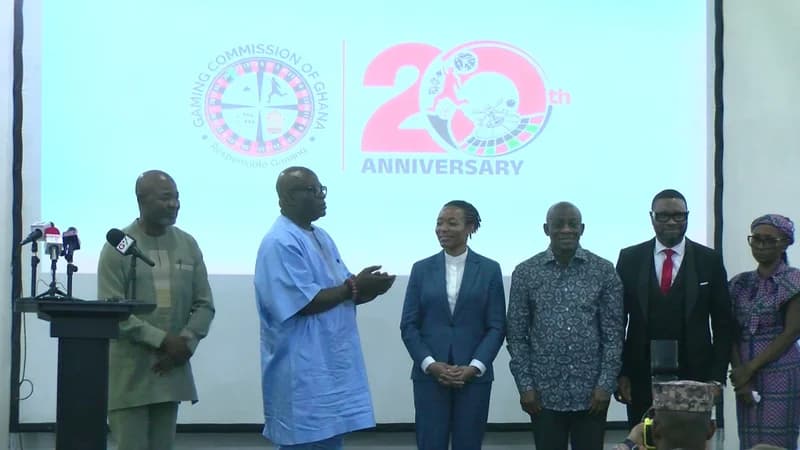
In tandem with these high-level policies, the government is addressing specific sectoral and industry concerns to foster inclusive growth. The Gaming Commission has been directed to align the industry's rapid expansion with national economic transformation goals, focusing on revenue mobilization and combating illegal online platforms. In the creative arts, the digital duo Lali x Lola has appealed to President Mahama for urgent tax reforms to protect the earnings of Ghanaian creators from foreign withholding systems, which they estimate cost the nation over $100 million annually. As the Ministry of Health prepares to brief the public on the latest health professional recruitment and postings, the government’s broader "reset" agenda continues to focus on restoring institutional strength and genuine national sovereignty.
This story touches markets covered on Anansi Intelligence ↗.
Related topic
John Mahama: Latest News & Updates →Live rates
Bank of Ghana policy rate →More from politics
Continue exploring similar stories


