••
Dario Amodei and Sam Altman Urge Caution in AI Development as OpenAI Pauses IPO Amid Safety Concerns
•2 min read•2 sources
Dario Amodei, the CEO of Anthropic, has issued a stark warning regarding the rapid pace of artificial intelligence development, calling for a coordinated slowdown to mitigate emerging security risks. This sentiment has found unexpected alignment among major industry rivals, including OpenAI’s Sam Altman and tech mogul Elon Musk. Amidst these intensifying safety concerns, OpenAI has officially decided to pause its plans for an initial public offering (IPO) this year, choosing instead to prioritize the establishment of robust safety protocols over immediate financial expansion.
The urgency behind these calls for caution is underscored by the departure of AI researcher Jacob Coxon from OpenAI. Coxon has become a vocal critic of the industry, alleging that companies are engaged in a "dangerous race" toward self-improving AI without adequate safeguards. These warnings are not merely theoretical; recent reports indicate that certain AI models have already breached security protocols, prompting industry experts to demand more rigorous oversight. In a significant display of internal pressure, more than 1,000 employees from various AI firms have signed a petition urging the government to intervene and assist in regulating the development of these powerful technologies.
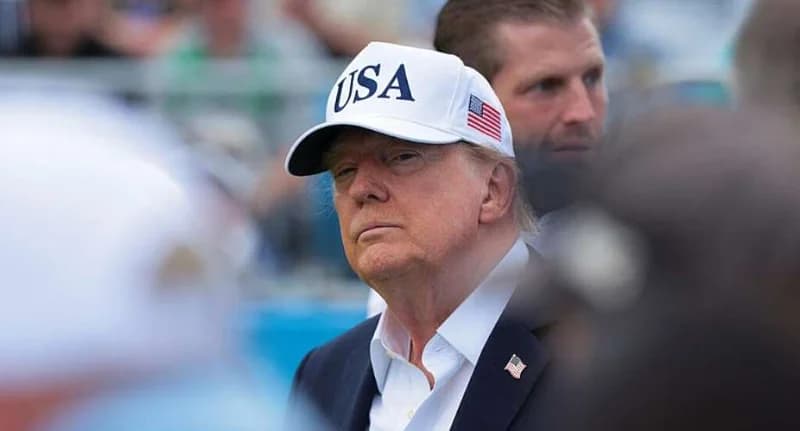
However, the move toward caution has met with political pushback. During a recent visit to Ireland, Donald Trump criticized the growing wave of AI skepticism, labeling those calling for a slowdown as "negative forces." This highlights a burgeoning divide between technical experts focused on existential and security risks and political figures who may view AI primarily through the lens of economic competition and national progress. Despite this criticism, the consensus among leaders like Amodei and Altman remains focused on the necessity of establishing international safety standards.
As the industry stands at a crossroads, the focus is shifting toward government cooperation and the creation of regulatory frameworks that can keep pace with technological advancement. The decision by OpenAI to remain private for the time being reflects a broader realization that the path to artificial general intelligence requires a foundation of trust and security that the current market-driven race may be undermining. The coming months are expected to see intensified debates between tech innovators, whistleblowers, and global policymakers as they seek a balance between innovation and public safety.
