••
Somali Referee Omar Artan Denied US Entry for 2026 World Cup Despite Valid Visa
•3 min read•21 sources
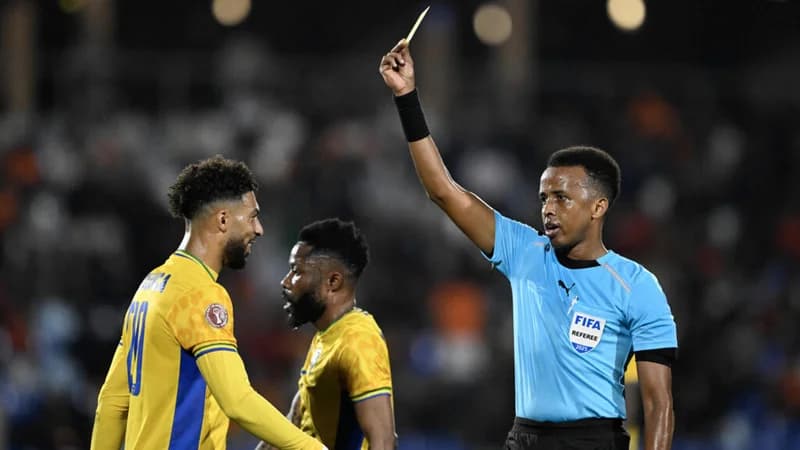
In a major blow to African representation at the 2026 FIFA World Cup, Omar Abdulkadir Artan, Somalia’s most celebrated football official, has been barred from entering the United States to officiate at the tournament. Artan, who was poised to become the first Somali referee to ever officiate at a World Cup, was stopped by U.S. Customs and Border Protection at Miami International Airport. Despite traveling with a valid visa and a diplomatic passport, Artan was denied entry following what officials termed routine security vetting. FIFA has since confirmed his removal from the tournament's officiating list, stating that he will return to Turkey while the Somali Football Federation seeks urgent clarification on the matter.
Artan, recently named the 2025 CAF Men’s Referee of the Year, has responded to the disappointment with a level of professionalism that has garnered widespread praise within the football community. In a public statement, he expressed gratitude to FIFA and CAF for their initial support and emphasized his commitment to maintaining high standards in his refereeing career. While he wished his colleagues success in the upcoming matches, his absence is viewed as a significant loss. Somali officials and the Ministry of Sports have expressed deep regret and outrage, arguing that the decision undermines the integrity of international football and denies a national inspiration his earned place on the global stage.
The incident has sparked broader criticism regarding the United States' role as a co-host for the tournament, especially given the historical context of travel bans and restrictive immigration policies affecting certain African nations. Former English footballer Ian Wright described the situation as appalling, labeling the event the "World Cup of Chaos" due to the intersection of high ticket prices and visa complications for essential officials. FIFA has distanced itself from the dispute, reiterating that while it manages the tournament, it has no authority over the immigration and security laws of host nations. This stance has left many questioning the fairness of hosting global events in countries where political vetting can override professional merit.
Further compounding the security tensions surrounding the tournament’s kickoff, reports have emerged of exceptionally strict screenings for arriving teams. Video footage showed members of the Senegal and Uzbekistan national teams being subjected to tarmac inspections involving sniffer dogs and handheld body scans upon their arrival in the U.S. These measures, combined with Artan's exclusion, have highlighted a growing friction between international sporting ideals and domestic security protocols. As the tournament begins across the U.S., Mexico, and Canada, the focus remains divided between the action on the pitch and the geopolitical barriers that have prevented one of Africa’s top officials from making history.
This story touches markets covered on Anansi Intelligence ↗.
More from sports
Continue exploring similar stories


