••
Major General Maxwell Obuba Warns of Rising Drug Crisis as 10% of Ghanaian Users Start Before Age 15
•3 min read•5 sources
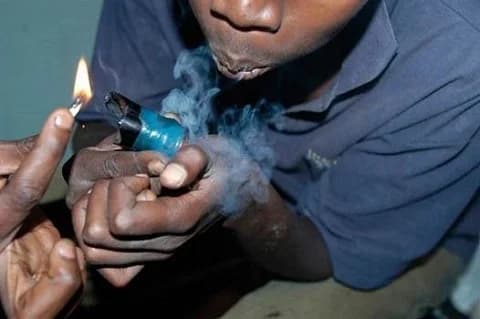
Major General Maxwell Obuba, Director-General of the Narcotics Control Commission (NACOC), has raised an urgent alarm over the escalating drug crisis in Ghana, revealing that approximately 82,500 individuals in the country are currently using illicit drugs. Speaking at events marking International Youth Day and the National Youth Conference at KNUST, Major General Obuba shared startling data from a 2025 University of Ghana School of Public Health study. Most concerning is the trend among the youth: the research indicates that 10% of drug users in Ghana began their substance use before the age of 15, while 54% started before reaching the age of 19. This early onset of addiction poses a severe threat to the nation’s social fabric and its future workforce.
The regional distribution of drug use highlights specific hotspots, with the Ashanti Region alone accounting for 16,300 users of substances such as heroin and cocaine. Beyond the immediate impact of addiction, the Director-General pointed to a burgeoning public health crisis involving infectious diseases. In the Ashanti Region, the HIV prevalence rate among drug users has surged to 6.6%, a figure nearly five times higher than the national average of 1.4%. This correlation underscores the multifaceted dangers of substance abuse, where the use of injectable drugs often leads to the rapid spread of life-threatening illnesses, further straining the country’s healthcare infrastructure and community support systems.
During his address at Kwame Nkrumah University of Science and Technology, Major General Obuba also debunked common misconceptions regarding cannabis, particularly the belief among students that its natural origin makes it safe or that it enhances intelligence. He emphasized that cannabis use significantly impairs cognitive functions, including memory and decision-making capabilities, which can have devastating long-term effects on educational attainment and personal relationships. He urged young Ghanaians to become ambassadors for a drug-free lifestyle and to critically evaluate drug-related claims by seeking credible information rather than falling prey to peer pressure or harmful myths.
The economic toll of the crisis is reflected in the demographics of those seeking help, with 88.5% of the 1,179 individuals treated for substance use disorders in 2025 belonging to the 20-to-44 age group. This segment represents the most productive part of Ghana’s workforce, suggesting that drug abuse is directly undermining national economic development. While Ghana focuses on community-based prevention, international concerns over substance use continue to prompt strict measures in other sectors, such as the global aviation industry where carriers like Air India have introduced mandatory drug testing for personnel following safety incidents. Major General Obuba concluded by calling for a unified front involving families, educators, and institutions to prioritize a comprehensive strategy of enforcement, education, and rehabilitation.
This story touches markets covered on Anansi Intelligence ↗.
More from health
Continue exploring similar stories

