••
Rev. Obaapa Christy Challenges Legal Trends as Ghana’s Comedy Sector Seeks Global Recognition
•3 min read•2 sources
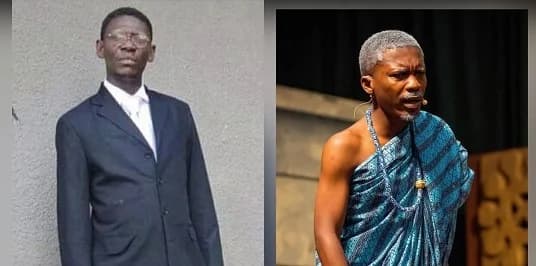
The Ghanaian entertainment industry is navigating a period of significant transformation, marked by the rapid professionalization of the comedy sector and an intensifying debate over copyright enforcement within the music industry. While the comedy scene is evolving into a lucrative economic contributor with deep historical roots, veteran gospel artist Rev. Obaapa Christy has raised critical questions regarding the modern trend of pursuing legal actions against performers who cover existing works. Together, these developments highlight the complexities of an industry trying to balance commercial growth with traditional modes of artistic expression.
Ghana's comedy industry has undergone a remarkable journey from its 1950s origins to its current status as a thriving professional field. Rooted in traditional storytelling and elevated by stand-up pioneers such as Fritz Baffour and KSM, the sector has transitioned into a sophisticated ecosystem. Today, a new generation of stand-up comedians and digital skit creators are filling major auditoriums and entertaining millions via social media. This evolution has transformed laughter into a significant economic driver, creating employment across various ancillary services. Industry stakeholders are now calling for greater national recognition and investment, viewing comedy as a viable cultural export that showcases Ghanaian resilience and creativity on the global stage.
However, as the creative arts become more structured, tensions regarding intellectual property are surfacing. Award-winning gospel musician Rev. Obaapa Christy has publicly challenged the increasing frequency of arrests and lawsuits directed at individuals who perform songs by other artists. Reflecting on her own career beginnings, she noted that she frequently performed the works of other gospel musicians without facing legal threats. In her view, the widespread sharing of performances enabled by social media should be embraced as a tool for spreading spiritual messages and reaching new audiences. She maintains that such acts are often instruments used by God to bless others, suggesting that rigid legalism may hinder the broader mission of gospel music.
These contrasting narratives underscore the dynamic state of Ghana’s cultural landscape as it adapts to modern economic and digital realities. The push for the comedy sector to become a structured, investment-ready industry mirrors a broader desire for professional standards in the arts. Conversely, the debate sparked by Rev. Obaapa Christy highlights the need for a nuanced approach to copyright that protects creators without stifling the organic, communal ways in which music and performance have historically grown in Ghana. As the industry matures, finding a middle ground between protection and promotion will be essential for the continued flourishing of Ghanaian talent.
This story touches markets covered on Anansi Intelligence ↗.
More from entertainment
Continue exploring similar stories


