••
Nwawasua Residents Scale Trees and Mountains in Desperate Search for Telecommunications Signal
•2 min read•1 source
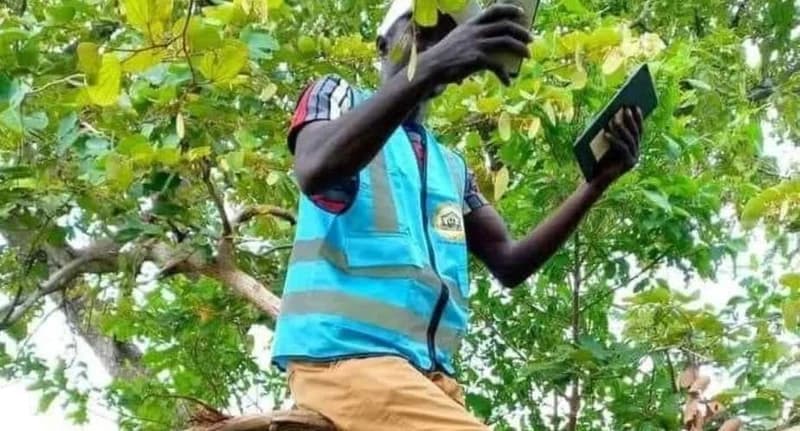
Residents of Nwawasua in the Sunyani Municipality are facing a severe digital divide, characterized by a near-total lack of reliable telecommunications and internet connectivity. The situation has reached a critical point where community members must resort to climbing trees and scaling mountain tops to access basic mobile signals or connect to the internet. This technological isolation is significantly hampering the socio-economic activities of the area, leaving many feeling disconnected from the rest of the country and unable to participate in the modern digital economy.
The daily struggle for connectivity is particularly felt by the youth and students in the community. With modern education increasingly dependent on digital resources, students have expressed deep frustration over their inability to complete research, access online learning materials, or communicate effectively with their peers. The lack of local infrastructure means that even simple tasks, such as sending an email or making an urgent phone call, require physical exertion and risk-taking as residents seek out signal "hotspots" at dangerous heights.
This connectivity gap highlights the persistent challenge of the digital divide in rural and peri-urban Ghana, despite national efforts to improve Information and Communication Technology (ICT) infrastructure. For the people of Nwawasua, the absence of reliable service is not merely an inconvenience but a barrier to achieving Sustainable Development Goals (SDGs) related to quality education and industrial innovation. The community argues that they are being left behind in an era where digital access is a necessity, further limiting opportunities for the next generation to compete on a level playing field.
In response to these ongoing challenges, the residents are making an urgent appeal to the government and major telecommunications providers to intervene immediately. They are calling for the installation of new cell towers and the upgrading of existing network infrastructure to ensure that Nwawasua is brought into the digital fold. Until these critical improvements are made, the community remains in a state of technological limbo, waiting for the infrastructure that will allow them to communicate safely and reliably from the ground.
