••
NVIDIA Unveils RTX Spark Chip to Drive ‘AI PC Revolution’ and Localized Computing
•2 min read•3 sources
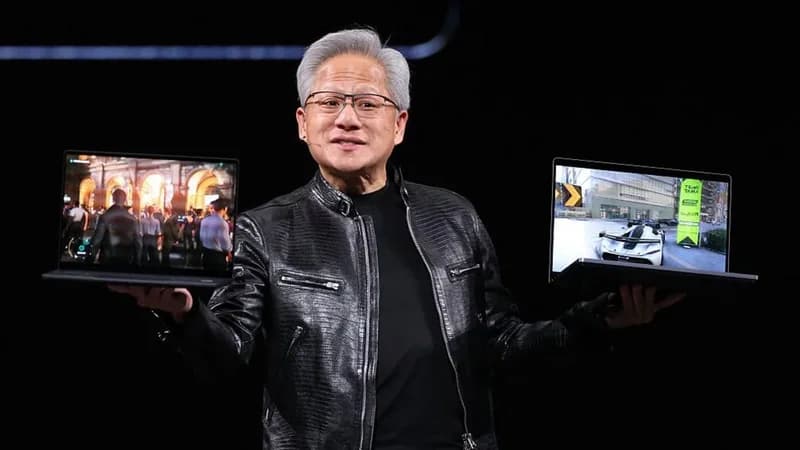
NVIDIA has unveiled its latest breakthrough, the RTX Spark PC chip, designed to usher in a new era of “agentic AI personal computers.” Speaking at a keynote event in Taipei ahead of the Computex trade show, CEO Jensen Huang detailed how the new hardware aims to integrate advanced artificial intelligence capabilities directly into laptops and desktops. Developed in collaboration with MediaTek and supported by Microsoft, the RTX Spark is expected to power a new generation of Windows PCs from major manufacturers like Lenovo, HP, and Dell, with a global launch scheduled for autumn 2023.
The core philosophy behind the RTX Spark is the reduction of cloud dependency by enabling AI agents to run locally on a user's device. This shift represents a pivotal moment in the tech industry, which Huang described as the “RTX Spark moment,” likening it to the historical evolution of smartphones. Alongside the new chip, NVIDIA also introduced the Vera CPU, specifically engineered for AI workloads, as the company targets a burgeoning $200 billion market. By processing data on-device rather than in the cloud, NVIDIA hopes to offer users faster performance, improved privacy, and more seamless AI integration into daily workflows.
Amidst NVIDIA’s surge to become one of the world's most valuable companies, Huang emphasized the strategic importance of Taiwan in the global tech ecosystem, announcing plans for NVIDIA to invest $150 billion annually in the local technology sector. The announcement also comes at a sensitive time for the industry, as US regulations continue to tighten on high-end chip exports to China. Despite these geopolitical pressures, NVIDIA remains focused on the consumer boom in AI data centers and personal computing, asserting that the rise of AI will actually drive higher demand for software engineers rather than replacing them.
This technological pivot signals a broader move away from centralized AI processing toward a more distributed, hardware-centric model. As the tech world looks toward the official opening of Computex, the industry anticipates how competitors will respond to NVIDIA's aggressive push into localized AI. For consumers, the arrival of RTX Spark-enabled devices this fall could fundamentally change how individuals interact with their PCs, turning standard computers into sophisticated, autonomous personal assistants.
This story touches markets covered on Anansi Intelligence ↗.
More from technology
Continue exploring similar stories


