••
Nungua-Accra Commuters Hit by Three-Fold Fare Hike Amid Acute Vehicle Shortage
•2 min read•5 sources
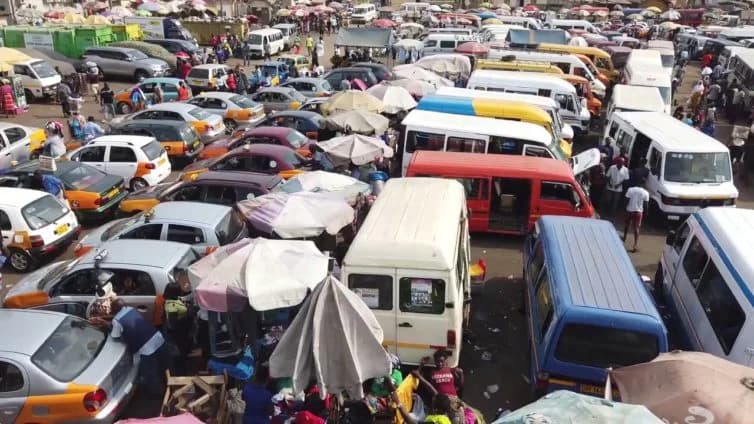
Residents and workers plying the Nungua-Accra route are facing a significant transportation crisis as a chronic shortage of commercial vehicles has sent fares skyrocketing. Traditionally a GH¢6.00 journey, the cost of commuting has surged to as much as GH¢20.00—a more than 230 percent increase. This spike is primarily driven by the scarcity of regular commercial vehicles, or ‘trotros,’ which has forced desperate commuters to rely on private car owners who are exploiting the supply gap by charging premium rates for the same distance.
The daily struggle at the Nungua lorry station has become a grueling ritual for hundreds of passengers. Morning peak hours are characterized by winding queues and hours of waiting, which has directly translated into a tangible loss of economic productivity. Commuters, such as Mr. Solomon Mensah, have voiced grave concerns over the financial and professional toll of the situation. Many report that these exorbitant fares are eating into essential household budgets, while the unpredictable delays lead to frequent late arrivals at workplaces, jeopardizing their professional standing and general efficiency.
In response to the crisis, officials from the Ghana Private Road Transport Union (GPRTU) have highlighted the complexities of regulating these arbitrary price hikes. Station authorities noted that while they strive to maintain official rates, many passengers opt to bypass the station's loading protocols to find quicker rides on the roadside. This behavior, though born of a necessity to save time, creates a loophole that allows private drivers and unregulated commercial operators to charge inflated fees without oversight. The GPRTU emphasized that monitoring fare practices is difficult when passengers board vehicles outside designated loading areas.
The ongoing situation underscores a pressing need for enhanced transport management and increased vehicle deployment on the Nungua-Accra corridor. Authorities are being urged to intervene to stabilize costs and protect commuters from further exploitation. Without a strategic increase in the availability of regulated commercial buses and better monitoring of private operators, the financial and social burden on the commuting public is expected to worsen, further straining the livelihoods of those who depend on this vital transport link.
This story touches markets covered on Anansi Intelligence ↗.
More from business
Continue exploring similar stories


