••
NPP Demands Parliamentary Inquiry and Official Resignations Amid Mounting Global Drug Trafficking Crisis Linked to Ghana
•3 min read•51 sources
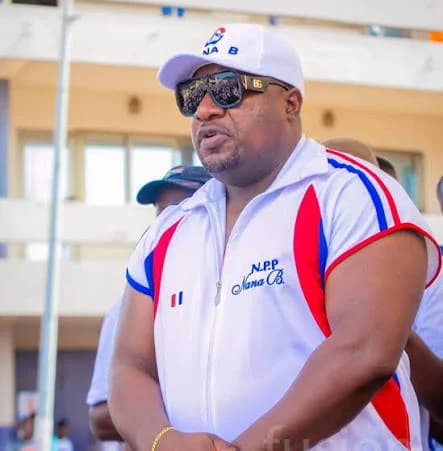
The New Patriotic Party (NPP) has launched a scathing critique of President John Mahama’s administration, demanding the immediate dismissal of several high-ranking government and security officials following a series of massive drug seizures linked to Ghana. At a press conference, NPP National Organiser Henry Nana Boakye (Nana B) alleged that the country has been transformed into a "cocaine hub" under the current government, citing at least 12 major narcotics cases since January 2025 with a combined street value exceeding one billion dollars. The most prominent incident involved the interception of 3.9 tonnes of cocaine, valued at €225 million, by French authorities in Dunkirk, which had been concealed in plastic waste originating from Ghana. Boakye further claimed that traffickers have established clandestine processing laboratories within the country, alleging that some officials are actively facilitating the narcotics trade.
In response to the escalating crisis, President Mahama has held emergency meetings with security agencies and issued a directive to reintegrate the Narcotics Control Commission (NACOC) into the list of port inspection agencies. This move, supported by NDC officials like Rashid Tanko-Computer and GoldBoard CEO Sammy Gyamfi, reverses a 2018 policy change that had limited NACOC's presence at the ports. The NDC maintains that the current administration is actively confronting the porous security framework inherited from the previous New Patriotic Party government. However, the political atmosphere has grown increasingly tense as the NDC’s Deputy Director of Elections, Rashid Tanko-Computer, suggested that security agencies may invite NPP members to provide evidence for their claims regarding secret drug laboratories, a move NPP aide Dennis Miracles Aboagye dismissed as a political threat.
The scandal has expanded to include allegations of internal sabotage and institutional failure. Ernest Norgbey, MP for Ashaiman, accused security personnel inherited from the previous administration of deliberately leaking sensitive information to undermine President Mahama. Meanwhile, concerns have been raised regarding the effectiveness of Ghana’s intelligence systems after a South African man was arrested at OR Tambo International Airport with $123,000 worth of heroin on a flight from Accra. Furthermore, reports indicate that the Ghana Maritime Authority’s surveillance system has been non-functional for months, leaving the nation's territorial waters vulnerable to unauthorized access. These lapses have prompted calls from security analyst Adib Saani for a unified, non-partisan approach to protect Ghana’s international reputation and the interests of innocent travelers who now face increased scrutiny abroad.
Adding a moral dimension to the debate, the Ghana Catholic Bishops' Conference has issued a statement urging the government to look beyond low-level arrests and investigate the sophisticated financial networks and "kingpins" bankrolling the trade. They emphasized that the drug menace is a national security crisis that threatens the moral fabric of the country and the safety of the youth. As the NPP pushes for a bipartisan parliamentary inquiry and a recall of the House to examine shipping documents and inspection records, the Mahama administration faces mounting pressure to prove its commitment to narcotics control. The emergence of social media images showing a high-profile drug suspect, Musah Attah (alias "Kromo"), in the presence of top government officials has only intensified the public demand for transparency and a comprehensive investigation into the extent of state-embedded criminal activity.
Related topic
NDC (National Democratic Congress): Latest News →

