••
NPC, MiDA, and Academic Leaders Urge Strategic Investment in Ghana’s 12 Million Youth to Drive Economic Transformation
•3 min read•4 sources
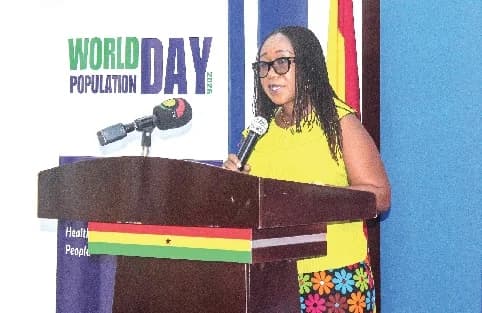
National bodies and academic institutions are intensifying calls for a strategic shift in how Ghana views its youth, moving away from the "future leaders of tomorrow" trope toward recognizing them as essential partners in immediate national development. The National Population Council (NPC) has highlighted the urgent need to invest in the country's estimated 12 million young people to secure sustainable growth. This nationwide push comes as various stakeholders—ranging from infrastructure executives to university lecturers—emphasize that the youth must be equipped with practical skills, healthcare access, and an entrepreneurial mindset to address pressing economic challenges in sectors such as fashion, agriculture, and technology.
Speaking at a seminar at the University of Education, Winneba, Alexander Kofi-Mensah Mould, Acting CEO of the Millennium Development Authority (MiDA), challenged students to assert their roles in development today rather than waiting for the future. Drawing parallels to the development trajectories of Singapore and Finland, Mould argued that human capital and efficient execution are more vital than natural resources. He urged graduates to transition from being job seekers to innovative problem-solvers. This sentiment was echoed by the NPC’s acting Executive Director, Angelina Osei Kodua-Nyanor, during the launch of 2026 World Population Day activities, where she stressed that empowering this demographic is a prerequisite for achieving national prosperity.
Practical applications of this educational shift were recently showcased at Tamale Technical University (TaTU), where the Department of Fashion Design and Technology held its annual exhibition, "Global Threads, Local Roots." The event demonstrated how technical education can bridge the gap between Ghanaian cultural heritage and international trends while fostering youth entrepreneurship. Prof. Tahiru Salifu Azeko, Inspector General of Schools, noted that such hands-on training is vital for creating a generation of job creators. He reaffirmed the government’s commitment to technical and vocational training as a pillar of economic stability and self-reliance.
Beyond industry and fashion, the call for youth involvement has extended to Ghana’s critical agricultural sector. During the Ghana Cocoa Innovations Hackathon, Dr. Eli A. Gaveh of the Kwame Nkrumah University of Science and Technology (KNUST) urged young people to apply modern innovation to cocoa farming. With an aging farmer population and the mounting threats of climate change, the hackathon rewarded student projects focused on farm rehabilitation and sustainable practices. These collective efforts from academia and the public sector signal a nationwide consensus: the success of Ghana's long-term development depends on transforming its youth into a productive, skilled, and resilient workforce today.
This story touches markets covered on Anansi Intelligence ↗.
More from education
Continue exploring similar stories


