••
NPA Hikes Petroleum Price Floors for July; Diesel Jumps 6% Amid Rising Global Tensions
•3 min read•12 sources
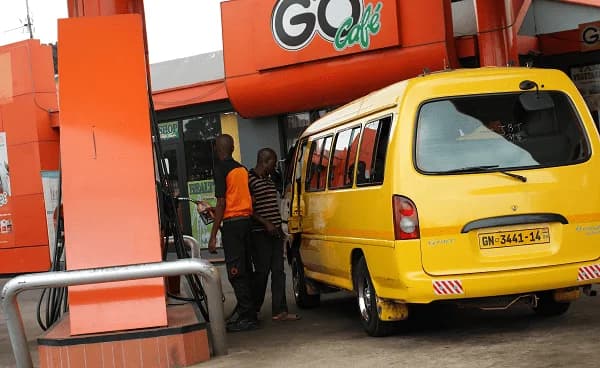
The National Petroleum Authority (NPA) has announced a significant upward revision of the indicative price floors for petroleum products, effective July 16, 2026. This adjustment, marking the second hike within the month, sets new minimum thresholds for petrol at GH¢ 13.28 per litre—a 3.8% increase from GH¢ 12.79—and diesel at GH¢ 14.35 per litre, representing a 6% jump from GH¢ 13.54. Liquefied Petroleum Gas (LPG) also saw a marginal increase to GH¢ 10.19 per kilogram. Under the regulator's pricing policy, Oil Marketing Companies (OMCs) and LPG Marketing Companies (LPGMCs) are strictly prohibited from selling below these established floors during the second pricing window of July.
The decision to raise the price floors follows a period of intense volatility in the international energy market. While local prices briefly trended downward earlier in the month due to a temporary lull in Middle Eastern conflicts, renewed geopolitical tensions involving Iran and the Strait of Hormuz have pushed Brent crude futures above the $84 per barrel mark. Recent U.S. military actions and attacks on tankers have amplified concerns regarding energy supplies. Because Ghana remains heavily dependent on imported refined petroleum products, the NPA indicated that local pricing benchmarks must reflect these global shifts to maintain market stability and prevent price distortions that could harm the industry's long-term viability.
The price floor mechanism, originally introduced in April 2024, is designed to ensure fairness and transparency by preventing predatory pricing. However, the latest increase has met with mixed reactions from industry stakeholders. Groups such as the Chamber of Petroleum Consumers (COPEC) had previously projected a decline in local prices based on a relatively stable Ghana cedi. Critics argue that the mandatory floor prevents consumers from fully benefiting from potential downward market corrections, effectively trapping prices at a higher level than the open market might otherwise dictate even when international indices show temporary relief.
The broader economic implications of this hike are significant, with experts warning of increased operational costs for commercial transport operators and manufacturers. As energy is a primary input for production and logistics, the rise in fuel floors is expected to exert upward pressure on food prices and transit fares, potentially stoking national inflation. In response, various industry groups are intensifying calls for the government to implement a structured automatic price relief mechanism. Such a system would aim to shield the Ghanaian public and businesses from the immediate shocks of global price spikes, providing a more predictable economic environment amidst persistent international instability.
This story touches markets covered on Anansi Intelligence ↗.
Live rates
Dollar to cedi rate →More from business
Continue exploring similar stories