••
Oti Regional Coordinating Council and Health Partners Launch Sexual Health Awareness Initiative for Apprentices in Nkwanta South
•2 min read•4 sources
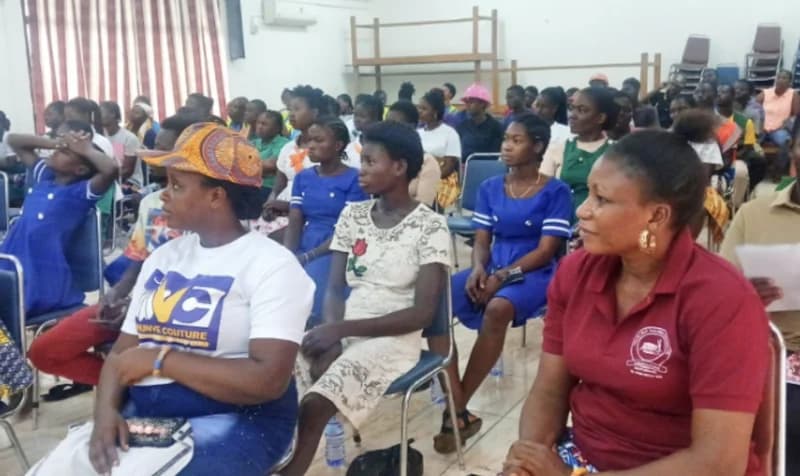
The Oti Regional Coordinating Council (ORCC), in collaboration with the Ghana Health Service (GHS) and the Complementary Education Agency (CEA), has conducted a comprehensive one-day workshop on adolescent sexual and reproductive health for 90 apprentices in the Nkwanta South Municipality. Funded by UNFPA Ghana, this initiative was specifically designed to empower young vocational trainees with accurate health information. The primary goal is to curb the rising trend of teenage pregnancies in the region and encourage responsible decision-making among the youth through education and community engagement.
During the training sessions, health experts addressed critical topics including puberty, sexually transmitted infections (STIs), and the dynamics of healthy relationships. Mr. Alfred Kwasi Domena provided detailed education on these reproductive issues, while Mr. Benjamin Attipoe emphasized the legal and social aspects of adolescent rights. Attipoe highlighted the importance of reporting abuse and protecting the bodily autonomy of young people, noting that safeguarding these rights is essential for healthy development. The workshop served as a platform to bridge the information gap that often leaves adolescents vulnerable to misinformation and societal pressure.
Central to the workshop's strategy was the concept of peer education. Mr. Adade Richard spoke extensively on its effectiveness, noting that young people are often more comfortable discussing sensitive topics with their peers than with authority figures. By training these 90 apprentices across various vocational fields, the organizers hope to create a ripple effect where factual information is shared organically within local communities. This approach is seen as a vital tool in tackling the fluctuating and recently increasing rates of teenage pregnancy recorded in the municipality's local health statistics.
As the workshop concluded, participants expressed a collective commitment to becoming ambassadors for reproductive health within their respective peer groups. By pledging to support their colleagues and facilitate open dialogues, these apprentices are expected to help improve overall health outcomes and facilitate better access to health services in Nkwanta South. This collaborative effort between regional authorities and health agencies underscores a broader national commitment to safeguarding the future of the youth by integrating health education into the vocational training sector.
This story touches markets covered on Anansi Intelligence ↗.
More from health
Continue exploring similar stories


