••
Nii Lante Vanderpuye Eyes NDC Chairmanship as Party Navigates Performance Critiques and Democratic Legacy
•3 min read•13 sources
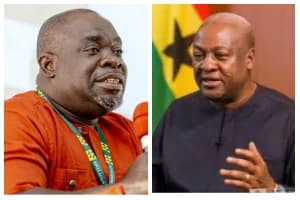
Edwin Nii Lante Vanderpuye has officially resigned as the National Coordinator of the District Road Improvement Programme (DRIP), signaling a strategic shift within the National Democratic Congress (NDC) leadership. His departure is aimed at contesting a national executive position, with Vanderpuye specifically indicating his readiness to run for the National Chairmanship should the incumbent, Johnson Asiedu Nketia, decide not to seek re-election. This internal movement comes as the party celebrates its 34th anniversary, a milestone marked by reflections on its historical role in solidifying Ghana's democracy through the peaceful concession of power in 2000. Vanderpuye, who has been with the party since its 1992 inception, emphasized that his resignation does not signal a withdrawal from public service but rather a commitment to serve the NDC in a higher capacity.
During the anniversary celebrations, Majority Leader Mahama Ayariga reinforced the party's democratic credentials by recalling the skepticism that surrounded former President Jerry John Rawlings’s decision to step down after his term. Ayariga noted that the NDC's acknowledgment of constitutional term limits was a pivotal moment that birthed modern democratic governance in Ghana. He urged current party leadership to focus on institutional development and serving the needs of ordinary citizens to maintain political relevance. This retrospective on the party's foundation comes at a time when the NDC is focusing on its strategies for maintaining governmental control and avoiding future electoral losses through robust governance.
Despite the party's focus on its legacy, the current administration under President John Dramani Mahama faces significant external scrutiny regarding its performance. Professor Charles Marfo, Provost at KNUST's College of Humanities and Social Sciences, has criticized the administration's approval ratings, suggesting they should be as low as 15% due to public disappointment over unfulfilled expectations. These comments follow a recent report from the Institute of Economic Affairs (IEA) which indicates that President Mahama's approval rating has dipped to 58.9%, down from 68% in December 2025. While economic indicators such as inflation and debt-to-GDP ratios have shown some improvement, concerns regarding corruption and the delayed completion of major projects, like the Afari Hospital, continue to fuel public dissatisfaction.
Adding a different perspective to the leadership debate, NDC National Organiser Joseph Yamin suggested that President Mahama’s leadership style might be more appropriately aligned with advanced democracies such as the United States, United Kingdom, or Norway. Yamin argued that while the President is a principled leader, the current Ghanaian context requires a firmer hand to enforce discipline and accelerate corruption investigations. As the NDC prepares for its upcoming internal elections and the broader national political cycle, the party must balance these calls for more rigorous discipline with the internal ambitions of veterans like Vanderpuye and the historical democratic values championed by Ayariga.
This story touches markets covered on Anansi Intelligence ↗.
Related topic
NDC (National Democratic Congress): Latest News →More from politics
Continue exploring similar stories


