••
Fatal Incidents in Nigeria and Cape Verde Headline a Week of Major African Infrastructure and Safety Developments
•3 min read•8 sources
Tragic incidents in Nigeria and Cape Verde have claimed dozens of lives this week, highlighting ongoing safety and environmental challenges in the region. In Nigeria’s Rivers State, at least 37 people died after inhaling toxic fumes while attempting to illegally tap an oil pipeline in Okrika. Local authorities and the Nigeria Security and Civil Defence Corps are currently investigating the midnight incident, which further underscores the lethal risks associated with crude oil theft and pipeline vandalism in the Niger Delta. Meanwhile, on Cape Verde’s Fogo Island, at least 25 people—including many schoolchildren and teenagers—perished when a bus plunged 30 meters into a steep ravine. The private excursion ended in catastrophe on a mountain road, with several injured survivors being treated at the Sao Francisco de Assis Regional Hospital.
Despite these tragedies, long-term economic indicators for the continent suggest significant expansion. Boeing has released its annual Commercial Market Outlook, predicting that Africa’s commercial aircraft fleet will more than double by 2045. This projected growth is driven by a young, urbanizing population and increasing demand for travel both within African cities and to the Middle East. Supporting this regional development, the Ghana Armed Forces (GAF) achieved a significant milestone by clearing a 175.6-kilometer corridor for the Accra-Kumasi Expressway. The engineering project was completed one week ahead of its 20-week schedule, marking a vital step in improving connectivity within Ghana’s major economic hubs through collaboration with the ministries of Defence, Finance, and Roads and Highways.
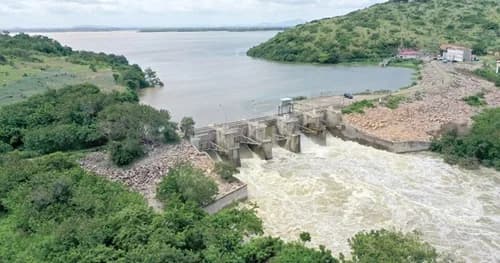
Community safety and local infrastructure remains a critical concern in Ghana, particularly regarding water management and urban planning. Ghana Water Ltd (GWL) has issued an urgent evacuation notice to residents living downstream of the Weija Dam, as water levels have reached 45.2 feet—narrowly approaching the 46-foot maximum threshold due to heavy upstream rainfall. Communities such as Tetegu and Oblogo are at risk as spillage is scheduled to commence on September 9. In Tamale, residents of Zogbeli-Lamakara are actively protesting the construction of a fuel station near a NEDCo substation, citing severe fire hazards and potential damage to underground electrical cables. Simultaneously, in the Jasikan Municipality, Assembly Member George Yeboah is appealing for a new telecommunications mast to address poor network coverage in Akaa, emphasizing that reliable connectivity is now essential for local education and economic development.
Amidst these developments, the enduring diplomatic partnership between Ghana and the United States was marked during the 65th anniversary of the Peace Corps in Accra. Since 1961, nearly 5,000 American volunteers have invested over $50 million into rural communities, focusing on education, health, and agriculture. Ghana’s Minister of Education and the Deputy Minister of Health lauded the volunteers for their innovative contributions to public health initiatives and teaching methods. These disparate events—ranging from infrastructure breakthroughs and diplomatic milestones to environmental crises and tragic accidents—reflect the complex landscape of growth, cooperation, and vulnerability currently shaping the West African region.