••
Nigeria Surges Past OPEC Quotas as West Africa Sees Shifts in Petroleum Production and Pricing
•3 min read•10 sources
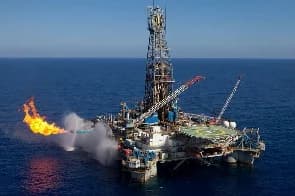
Nigeria’s energy sector has reached a significant milestone, recording its highest crude oil production in 11 months with a total output of 1.70 million barrels per day (bpd) in May 2026. This surge, reported by the Nigerian Upstream Petroleum Regulatory Commission (NUPRC), effectively exceeds the country’s OPEC-mandated quota of 1.5 million bpd. The growth was bolstered by stable operations and the absence of major outages at key facilities. The Bonny Terminal emerged as the leading contributor with an average of 293,870 bpd, closely followed by the Forcados and Qua Iboe terminals, which contributed 289,900 bpd and 173,360 bpd respectively.
Parallel to this production boost, Nigeria’s downstream sector is seeing massive capital movements as the Dangote Petroleum Refinery seeks to raise approximately $1 billion through a private placement. This strategic financial move, which values the refinery at an estimated $39.1 billion, comes as the facility prepares for a planned public listing. The influx of capital is expected to solidify the refinery's position as a cornerstone of West African energy independence, even as global markets remain volatile due to shifting geopolitical tensions. For instance, international oil prices recently saw a dip, with Brent crude falling to $88.55 per barrel after U.S. interventions alleviated immediate fears of escalating conflict in the Middle East, though analysts warn that market stability remains fragile.
In Ghana, the National Petroleum Authority (NPA) has responded to favorable international market dynamics by announcing a significant reduction in the price floors for petroleum products for the second pricing window of June. The most notable adjustment is a 12% drop in the petrol price floor, falling from GH¢15.20 to GH¢13.39 per litre. Diesel and Liquefied Petroleum Gas (LPG) also saw reductions of 2.5% and 1.9% respectively. While the government has simultaneously scaled back some direct fuel relief subsidies, these revised benchmarks are intended to lower operational costs for transport operators and businesses. This move highlights a broader regional effort to balance domestic economic relief with the fluctuations of the global energy supply chain.
Despite the production gains in West Africa, the global fuel market faces a looming supply crunch, particularly in the United States. As the peak summer driving season begins, U.S. gasoline inventories have hit a decade low of 215.1 million barrels. Domestic refiners have prioritized diesel and jet fuel production to address international shortages caused by shipping disruptions in the Strait of Hormuz. With demand projected to reach 9.5 million bpd, the disparity between production and consumption may keep pump prices elevated globally. For West African economies like Ghana and Nigeria, these global supply constraints underscore the critical importance of maintaining high domestic production levels and flexible pricing strategies to mitigate external shocks.
This story touches markets covered on Anansi Intelligence ↗.
More from business
Continue exploring similar stories


