••
GOIL PLC Targets Expansion with GH¢1 Billion Bond as Ghana Bolsters Trade and Petroleum Infrastructure
•3 min read•8 sources
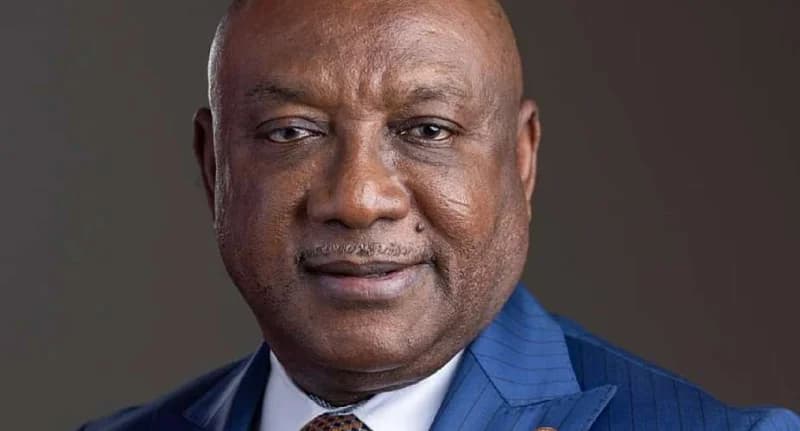
GOIL PLC, Ghana’s largest petroleum downstream company, has announced a significant financial and strategic expansion during its 57th Annual General Meeting in Accra. The company reported a 7.05% increase in net profit, reaching GH¢90.67 million for the 2025 financial year, with gross revenue standing at GH¢18.55 billion. To fuel future growth and operational efficiency, management unveiled plans for a GH¢1 billion bond programme. Board Chairman Nana Philip Archer highlighted the success of the subsidiary GOBitumen, which has emerged as a market leader in bitumen supply. The company aims to increase its storage capacity to 12,000 metric tonnes by 2026, aligning with the national agenda for road infrastructure development while strictly adhering to new Environmental, Social, and Governance (ESG) strategies.
In tandem with corporate growth, the petroleum sector saw significant improvements in logistics and driver welfare. ROCK AFRICA has donated and inaugurated an ultra-modern tanker drivers’ rest facility at the BOST Kumasi depot. The facility is designed to eliminate unsafe parking practices and provide essential rest for drivers on long-haul journeys. Godwin Tameklo, Chief Executive of the National Petroleum Authority (NPA), praised the initiative and encouraged other private entities to support the industry's workforce. Similarly, in Koforidua, the New Juaben South Municipal Assembly has commenced construction of a modern 24-hour economy market at Agartha. This project includes a clinic, police and fire stations, and a daycare center, designed to stimulate local commerce and provide a safer environment for continuous trading activities.
Despite these advancements, the regional business climate faces critical infrastructure and management hurdles. The Greater Accra Regional Minister, Linda Ocloo, recently urged Metropolitan, Municipal, and District Assemblies (MMDAs) to strengthen urban management systems to address sanitation, flooding, and traffic congestion. Speaking at the Korle Klottey Municipal Business and Investment Forum, she emphasized that resilient infrastructure is vital for maintaining investor confidence and human capacity development. These concerns were underscored by the collapse of the Sataso bridge on the Mampong-Ejura highway following heavy rainfall. The collapse has halted economic activities and transport of goods in the Ashanti region, forcing motorists onto unsafe detours and leading to urgent calls for permanent government intervention.
The synthesis of these developments highlights a dual-track economic landscape in Ghana: robust corporate performance and ambitious policy-driven projects are being met with the practical challenges of aging infrastructure and urban management. As GOIL PLC prepares its billion-cedi bond and local assemblies move toward 24-hour trading models, the success of these initiatives will depend heavily on the government’s ability to maintain the transport corridors and urban environments that facilitate large-scale commerce and ensure the safety of the nation's workforce.
This story touches markets covered on Anansi Intelligence ↗.
Live rates
Dollar to cedi rate →More from business
Continue exploring similar stories


