••
Nigeria Security Crisis and Kenyan Civil Unrest Intensify Amid Regional Political Turmoil and Global Legal Battles
•3 min read•21 sources
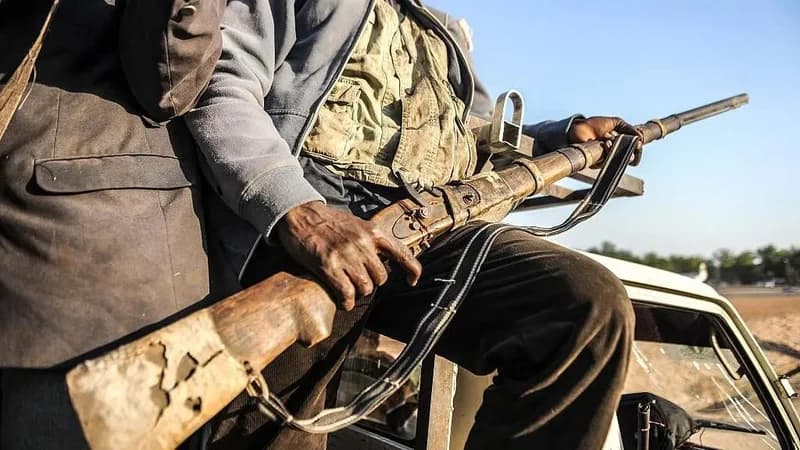
Nigeria and Kenya are currently grappling with severe internal security and political challenges, as evidenced by a series of tragic events and mass civil unrest. In Nigeria’s Zamfara State, a peace negotiation intended to broker a truce between the Magamin Diddi community and armed groups turned into a disaster when gunmen abducted between 39 and 50 villagers. The kidnappers are demanding a ransom of 125 million naira, highlighting the increasing vulnerability of rural populations who feel forced to negotiate directly with bandits due to perceived military abandonment. This incident has intensified scrutiny of President Bola Tinubu’s administration and its ability to maintain regional stability in the face of rampant crime.
Simultaneously, in Kenya, the town of Nanyuki has been rocked by violent protests over the construction of a US-run Ebola quarantine centre at the Laikipia Air Base. The clashes between police and residents—who fear health risks and negative impacts on tourism—have resulted in at least one death and several injuries. Despite a court ruling to halt construction, President William Ruto’s government has defended the facility as a necessary public health partnership with the US. This domestic friction is mirrored in other political developments, including the Kenyan High Court’s decision to uphold the impeachment of former Deputy President Rigathi Gachagua and the arrest of former Chief Justice David Maraga during environmental protests in Nairobi.
The political landscape in East Africa is further complicated by the case of Ugandan opposition figure Kizza Besigye, who has filed a court petition to stop his detention and prosecution for treason. Besigye alleges he was abducted from Kenya and has specifically named Muhoozi Kainerugaba, the president’s son and military chief, as a respondent in his legal challenge. These events underscore a period of heightened friction between state authorities and civil society actors across the continent, where legal systems are increasingly becoming the battleground for political survival and human rights advocacy.
On the international stage, significant legal and policy shifts in the United States and the United Kingdom are adding to the complexity of the global political environment. A US federal judge recently struck down a $100,000 H-1B visa fee imposed by the Trump administration, while President Donald Trump has formally nominated Todd Blanche as Attorney General, a move that will test his influence over Senate Republicans. In the UK, Conservative leader Kemi Badenoch has proposed the abolition of the Public Sector Equality Duty, sparking a contentious debate over representation and discrimination laws. These developments, along with the ongoing appeal trial of Rwandan doctor Eugène Rwamucyo in Paris for his alleged role in the 1994 genocide, reflect a global trend of revisiting historical accountability and the legal frameworks governing modern governance.
This story touches markets covered on Anansi Intelligence ↗.
More from politics
Continue exploring similar stories


