••
Health Advocates Call for NHIS to Cover Prescription Glasses After High Turnout at Bono Region Eye Screening
•2 min read•4 sources
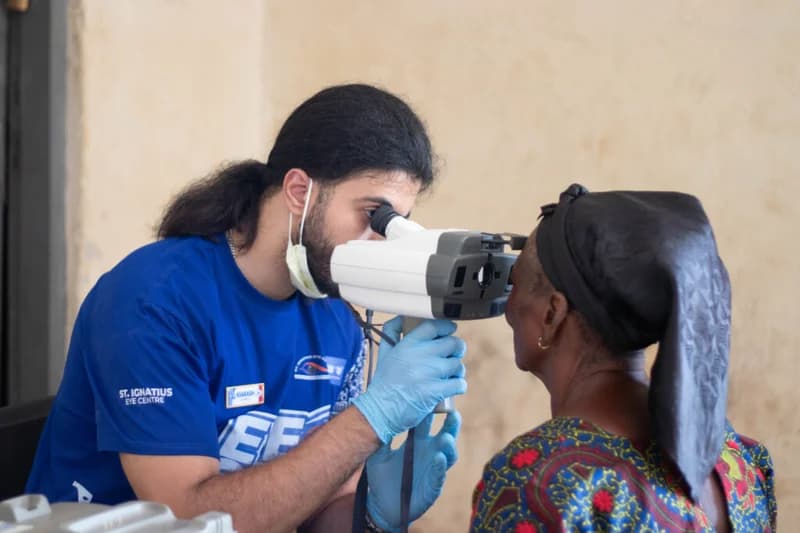
Health advocates and medical professionals in Ghana are intensifying calls for the National Health Insurance Scheme (NHIS) to expand its coverage to include prescription glasses and low-vision aids. This demand follows a significant four-day eye care outreach in the Bono Region, which underscored the high prevalence of untreated vision conditions and the financial barriers preventing many Ghanaians from accessing corrective eyewear. The initiative, organized by the St. Ignatius Eye Centre in collaboration with the 20/20 Mission, highlighted a critical gap in the current healthcare system where basic consultations are accessible, but the final treatment—corrective lenses—remains out of reach for many.
During the outreach, 867 individuals received comprehensive screenings, free eye examinations, medications, and corrective lenses. However, the event also revealed a stark disparity between the demand for vision care and available resources. Despite the best efforts of the medical teams, over 500 people were unable to receive care due to capacity limitations. Dr. Christian Ntsiful Anderson, the lead optometrist, emphasized the high treatability of common conditions such as cataracts and refractive errors, noting that early detection and a robust referral system are essential to preventing avoidable blindness.
Dr. Ignatius Yeboah, CEO of St. Ignatius Eye Centre, identified the NHIS policy as a major hurdle to achieving vision health equity. While the scheme currently covers basic eye examinations, it excludes the cost of spectacles and low-vision aids. This forces patients to pay out-of-pocket for essential tools, often leading to untreated vision loss among the poor. Advocates argue that this exclusion creates a significant economic burden, as vision impairment impacts productivity and quality of life. The outreach further underscored a critical shortage of eye care professionals in rural areas, making community-based initiatives and policy reform even more urgent.
By integrating corrective eyewear into the NHIS benefit package, proponents believe Ghana can make substantial progress in reducing preventable blindness. Beyond the immediate health benefits, improving vision care is seen as a strategic move for national development, as it directly influences economic productivity and educational outcomes. The success and high demand witnessed during the Bono Region outreach serves as a call to action for the government to modernize the NHIS to meet the practical needs of the population.
This story touches markets covered on Anansi Intelligence ↗.
More from health
Continue exploring similar stories


