••
New Juaben North Schools Struggle with Severe Furniture Shortage as Four Pupils Share Single Desks
•2 min read•1 source
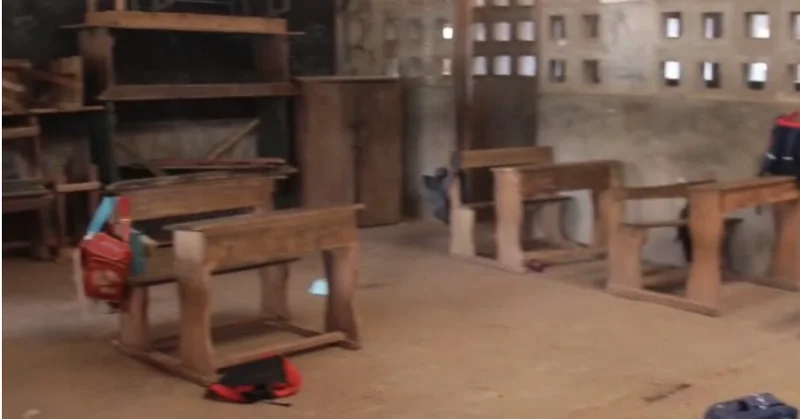
The New Juaben North Education Directorate has issued an urgent appeal for additional furniture to address a critical shortage in schools across the municipality, where as many as four pupils are currently forced to share a single desk. This overcrowding crisis has significant implications for student concentration and academic performance. Despite recent efforts to bolster school infrastructure, officials warn that the current supply of desks and chairs remains woefully inadequate to meet the needs of the growing student population in the Eastern Region municipality. Okyere Boateng Samuel, the Head of Planning and Statistics at the Education Directorate, highlighted the severity of the situation, noting that the furniture deficit creates a physical environment that is fundamentally unsuited for effective teaching and learning. The discomfort and lack of personal space for students not only hinder their writing and reading activities but also disrupt the overall classroom dynamic. While the Municipal Assembly has recently provided over 1,000 chairs, Mr. Samuel emphasized that this contribution is only a partial solution to a much larger systemic problem that requires sustained investment. Addressing the initiative, Municipal Chief Executive Samuel Adongo explained that the recent provision of furniture was driven by a central government directive to utilize a portion of the District Assembly Common Fund (DACF) for educational improvements. This strategic use of funds aims to alleviate some of the most pressing infrastructural gaps in the district. The 1,000 newly donated chairs are slated for immediate distribution to schools that have been identified as having the most acute furniture shortages. The situation in New Juaben North underscores a broader national challenge regarding school infrastructure and the equitable distribution of resources. As the Municipal Assembly continues to identify and prioritize schools in need, the Education Directorate maintains that additional support from the private sector and non-governmental organizations may be necessary to bridge the gap. Improving these learning conditions is seen as a vital step in ensuring that students in the municipality can pursue their education in a dignified and conducive environment.