••
Netherlands Returns 3,500-Year-Old Ancient Egyptian Sculpture Looted During Arab Spring
•2 min read•1 source
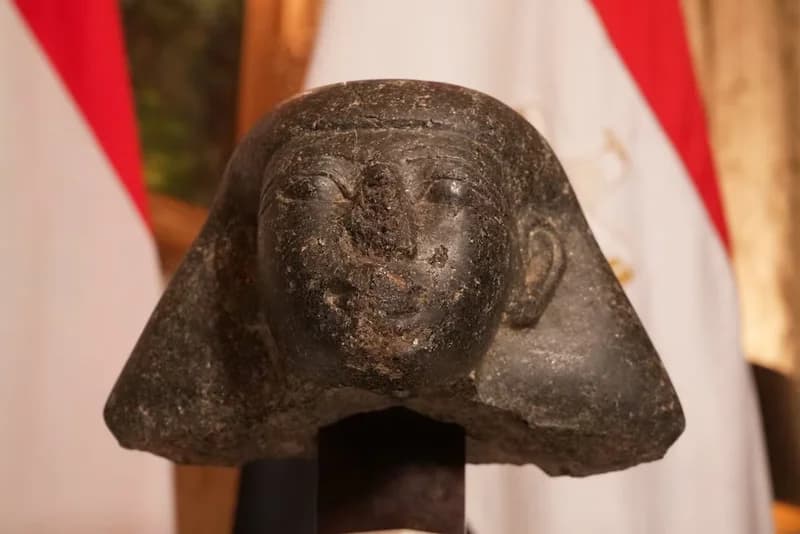
In a significant move for cultural diplomacy, the Netherlands has officially returned a 3,500-year-old stone head sculpture to the Egyptian government. The artifact, which dates back to the reign of Pharaoh Thutmose III, was identified as part of a larger block statue representing a high-ranking senior official from Egypt’s illustrious past. This restitution marks a major victory for Egypt’s Ministry of Tourism and Antiquities, which has been working tirelessly to track down and repatriate artifacts stolen during periods of political instability. The return highlights a strengthening international commitment to rectifying historical thefts and protecting the integrity of global cultural heritage.
The journey of the sculpture back to its homeland began when it surfaced at a Dutch art fair in 2022. Its appearance triggered an immediate investigation into its provenance, which eventually confirmed that the piece had been unlawfully removed from the city of Luxor during the height of the 2011 Arab Spring. During the unrest of the 2011 revolution, many of Egypt’s historical sites and museums faced significant looting, leading to the disappearance of numerous priceless treasures into the global black market. The Dutch art dealer, Sycomore Ancient Art, cooperated with the authorities and voluntarily surrendered the piece once its illicit origins were brought to light, setting a precedent for ethical art trading.
Dutch Culture Minister Gouke Moes emphasized the moral and legal necessity of returning such items, stating that cultural heritage fundamentally belongs in its country of origin to be appreciated by its rightful people. Egyptian Ambassador Emad Hanna echoed these sentiments during the handover ceremony, highlighting the sculpture’s importance not just as a historical relic, but as a vital component of Egypt’s tourism sector and national economy. This return is part of a growing international trend where European nations are increasingly scrutinizing the origins of Egyptian and African artifacts in their collections, signaling a new era of cooperation in the protection of global cultural history and the restoration of national identities.
This story touches markets covered on Anansi Intelligence ↗.
More from africa
Continue exploring similar stories


