••
Netflix's 'The Polygamist' Sparks Global Debate on Zulu Culture, Betrayal, and Modern Relationships
•2 min read•3 sources
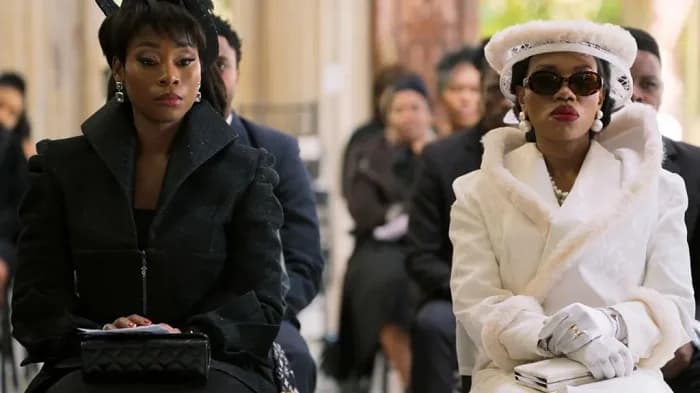
Netflix's new Zulu-language series, 'The Polygamist,' has rapidly become a global sensation since its debut on June 12, 2023, topping charts across South Africa, Kenya, and Nigeria. Centered on the dramatic fallout following the death of Johannesburg businessman Jonasi Gomora, the show opens at his funeral where the secret of his three wives and a mistress is finally laid bare. This inciting incident sparks a complex, 22-episode narrative that explores the intricate layers of betrayal, family dynamics, and the personal costs of polygamous lifestyles within contemporary African society. By bridging cultural representation with universal themes of heartbreak, the series has managed to captivate an international audience far beyond its regional origins.\n\nThe series is based on a popular novel by Zimbabwean author Sue Nyathi and carries significant cultural weight through its production team, which includes the daughters of former South African President Jacob Zuma. This connection adds a layer of authenticity to the storytelling, as the creators draw from personal and cultural narratives to highlight pressing social issues, including gender-based violence and the impact of HIV. The show’s focus on the lives of the women left behind—each grappling with the legacy of a man they thought they knew—resonates deeply with many viewers who find reflections of their own relationship challenges within the plot.\n\nDespite its immense popularity, 'The Polygamist' has sparked a polarizing debate across different cultural contexts. While many celebrate its high production values and the global spotlight it brings to Zulu-language drama, critics have voiced concerns over its seemingly negative portrayal of polygamy. In some regions like Kenya, where polygamy is legally and culturally accepted, there have even been calls for the show to be banned. This pushback highlights the ongoing tension between traditional customs and modern perspectives on marriage. As discussions about potential future seasons continue, the series remains a pivotal moment for South African storytelling, forcing a global conversation on the evolution of family structures and the pursuit of individual happiness.
This story touches markets covered on Anansi Intelligence ↗.
More from entertainment
Continue exploring similar stories


