••
International Rescuers Blast Hillsides in Desperate Search for 600 Trapped Nepal Hydropower Workers
•2 min read•4 sources
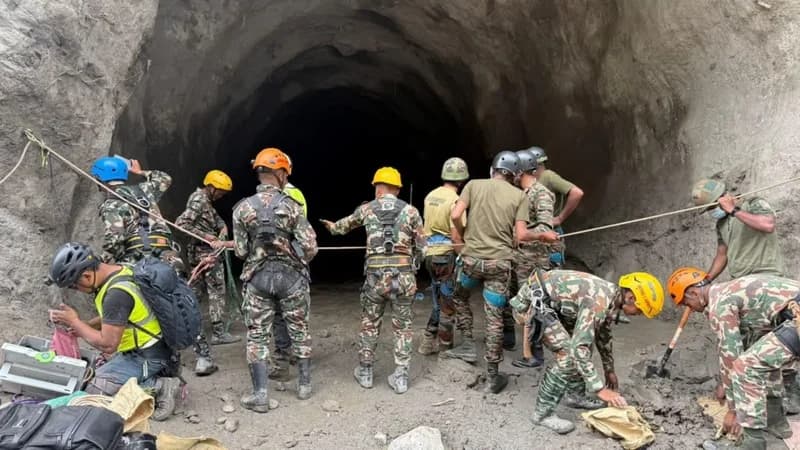
Rescue operations in Nepal have entered a critical phase as international teams use explosives and heavy machinery to reach more than 600 workers trapped in mud-filled tunnels along the Trishuli River. The crisis follows devastating floods that have claimed at least 939 lives and left nearly 4,000 people missing, including 592 foreign nationals. As the death toll continues to rise, the focus remains on the hydropower tunnels where workers were engulfed by mud and debris during the surge. Prime Minister Balendra Shah confirmed that over 11,000 individuals have been successfully rescued so far, but the fate of those underground remains the most urgent priority for local and global authorities.
Technicians are currently blasting through hillsides and using high-capacity air pumps to maintain oxygen flow into the tunnels, hoping to find survivors in pockets of trapped air. Experts have suggested that the design of these hydropower structures might allow for temporary survival if workers reached specific safety zones, providing a glimmer of hope for grieving families. A massive international coalition is supporting the mission, with specialized teams from China, India, South Korea, and Australia providing technical expertise and equipment to navigate the treacherous, mud-clogged terrain that has hindered initial local efforts.
Despite the intensification of the search, tension is mounting among the families of the missing, many of whom have expressed deep frustration at the perceived slow pace of the operations. Families gathered at the riverbanks are clinging to the possibility of a miracle, even as the environmental challenges—including unstable ground and the sheer volume of sludge—complicate every step. The Prime Minister has appealed for patience, stating that the complexity of the geographic conditions requires a cautious but persistent approach to avoid further casualties among the rescue teams themselves.
Downstream, the scale of the tragedy is becoming increasingly visible as authorities resort to makeshift burials for the deceased due to the overwhelming number of bodies being recovered. To ensure proper identification, officials in Chitwan and other affected districts have announced plans for DNA testing to assist families in the long-term identification process. The disaster has also had regional implications, with official reports from Tibet indicating 16 dead and 546 missing, though concerns regarding misinformation and government censorship in the region have led to international calls for greater transparency regarding the true scale of the catastrophe.
