••
Nazir Ali’s Eight-Year Solar Transition Highlights the Potential and Hurdles for Ghana’s Renewable Energy Future
•2 min read•1 source
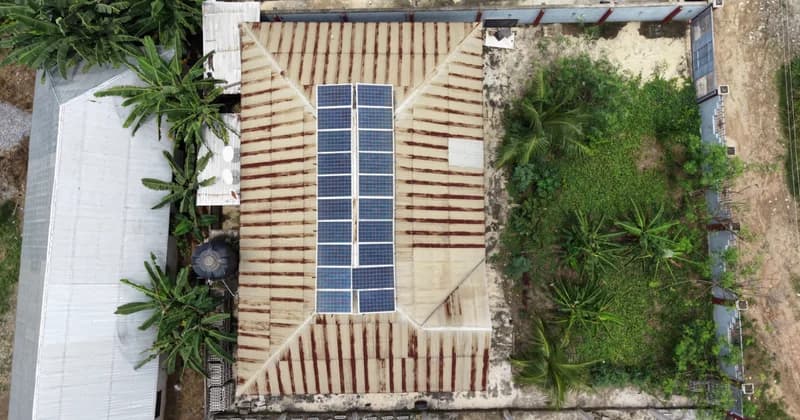
In the Ashanti Region town of Achiase, Nazir Ali’s home stands as a testament to the viability of solar energy in Ghana. Since 2018, Ali has maintained a self-sufficient household energy system that provides a reliable alternative to the intermittent supply often associated with the national grid managed by the Electricity Company of Ghana (ECG). As President John Mahama’s administration continues to look toward diversifying the national energy mix, Ali’s experience offers critical insights into the benefits and challenges facing individual adoption of renewable technology.
Ali’s transition to solar required a significant upfront investment of $7,000, a figure that remains a primary barrier for many Ghanaian households despite the long-term savings and independence it provides. Over nearly eight years, the system has proven its worth by shielding his home from local power fluctuations and drastically reducing recurring electricity costs. This case study underscores a growing trend in the Ashanti Region where residents are increasingly seeking decentralized energy solutions to ensure stability for both domestic and small-scale economic activities.
Expert analysis from Prof. Samuel Gyamfi suggests that Ali’s success should be the rule rather than the exception. Gyamfi emphasizes that expanding solar power is essential for Ghana to reduce its reliance on fossil fuels and improve overall electricity availability across the country. However, he points out that technical and regulatory hurdles remain, most notably the full implementation of a net metering system. Such a system would allow households to balance their energy consumption with generated solar power, making solar investments more financially attractive to the average citizen.
Looking forward, the shift toward a decentralized energy landscape will require more than just individual willpower; it necessitates significant infrastructural upgrades. While the market for solar components in Ghana is gradually improving, the national grid must be modernized to accommodate power flowing from private homes. For Ghana to meet its renewable energy targets under the current government, the lessons from early adopters like Nazir Ali will be vital in shaping policies that lower entry barriers and integrate green technology into the national consciousness.
Related topic
John Mahama: Latest News & Updates →

