••
Naridon Village Massacre and Anambra Hostel Collapse Headline Weekend of Tragedy and Economic Strain in Nigeria
•3 min read•5 sources
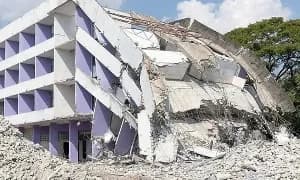
Nigeria faced a somber weekend marked by significant loss of life and growing economic hardship as reports emerged of a brutal terrorist attack in Kaduna State and a fatal building collapse in Anambra State. In Naridon Village, located within the Kauru Local Government Area of Kaduna, at least 30 people were confirmed dead following a late-night assault on Sunday. The victims included eight children, highlighting the indiscriminate nature of the violence that has left the community in mourning and several others injured as homes and businesses were razed.
The attack in Kaduna occurred around 11:00 PM, causing widespread destruction that has drawn sharp condemnation from political figures across the country. Former Vice-President Atiku Abubakar and the People's Democratic Party (PDP) governorship candidate, Usman Bawa, joined the Kaduna State Government in denouncing the act. The incident underscores the persistent security challenges in the region, where rural communities remain vulnerable to sudden, violent raids that disrupt the social and economic fabric of the state.
Simultaneously, residents in Amaokpala, Anambra State, were shocked by the sudden collapse of the Elite Five Star Lodge on Sunday night. The three-storey hostel, which contained approximately 60 rooms and primarily housed students, gave way suddenly, trapping several occupants under the rubble. Emergency responders worked through the night, successfully rescuing three individuals from the debris, but authorities have confirmed that at least two people lost their lives in the disaster. The incident has raised fresh concerns regarding building standards and the safety of student accommodations in university towns.
Amidst these tragedies, Nigeria’s commercial nerve center, Lagos, continues to struggle with the ripple effects of global instability. Business owners in suburbs like Somolu are finding it increasingly difficult to remain afloat as fuel prices soar, a situation reportedly exacerbated by geopolitical tensions as far away as the Strait of Hormuz and Iran. For small-scale entrepreneurs like Oluwatosin Awodunmila, who runs a printing business, the rising cost of energy translates into thinner margins and a daily battle to sustain operations, illustrating the profound impact of international conflicts on the local Nigerian economy.
These simultaneous crises—security breaches in the north, infrastructural failures in the south, and economic volatility in the west—present a complex challenge for Nigerian authorities. As families in Kaduna and Anambra bury their dead and business owners in Lagos navigate financial uncertainty, there is an urgent call for more robust government interventions. Addressing the root causes of insecurity, enforcing stricter building regulations, and stabilizing energy costs remain critical priorities for ensuring the safety and prosperity of citizens across the federation.