••
Nandom Hospital Receives 17 Dialysis Machines from Ghana Medical Help, Faces Personnel Shortage
•2 min read•1 source
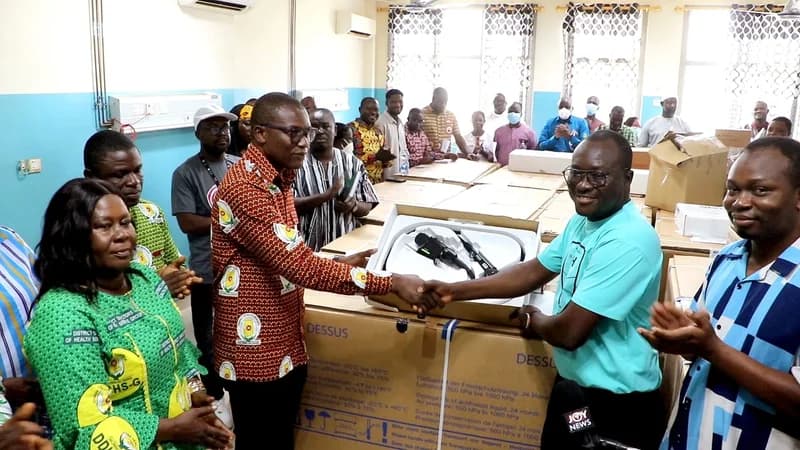
Kidney patients in the Nandom Municipality and surrounding areas in Northern Ghana have received a significant boost in healthcare delivery following the donation of 17 Fresenius 5008 dialysis machines and advanced imaging systems. The donation, facilitated by the Canadian-Ghanaian charity Ghana Medical Help (GMH), marks a pivotal shift in managing chronic kidney disease in the region. Previously, patients were forced to undertake arduous journeys to the regional capital, Wa, for life-saving dialysis sessions. This new equipment is expected to drastically reduce waiting times, lower travel costs for families, and improve the quality of life for those suffering from renal conditions in the local community. The intervention by GMH comes at a critical time as kidney disease becomes increasingly prevalent across Ghana. Dr. Akaateba, representing Ghana Medical Help, emphasized that while the donation provides immediate relief, the responsibility now shifts to local health authorities to ensure the machines are utilized effectively. He stressed that the equipment must be properly maintained and that local leaders must act decisively to serve the community’s health needs. Beyond the dialysis units, the provision of imaging systems further enhances the hospital's diagnostic capabilities, allowing for earlier detection and better management of kidney-related complications. Despite the arrival of this advanced medical technology, hospital administrators in Nandom have raised urgent concerns regarding the sustainability of the center. There is a pressing shortage of specialized personnel and logistical funding required to operationalize the new facility. Administrators warn that without a dedicated team of nurses, technicians, and nephrologists, the state-of-the-art machines risk sitting idle. There is a growing call for medical professionals to accept postings to rural areas to bridge this gap, as the lack of human resources remains a significant barrier to healthcare equity in northern Ghana. The successful operationalization of the Nandom dialysis center relies on a collaborative effort between the government, local health directorates, and the private sector. An appeal has been made for logistical funding to support the day-to-day running of the facility and to incentivize healthcare workers to remain in the region. As the demand for dialysis services continues to grow, the Nandom center stands as a beacon of hope, but only if the systemic challenges of staffing and funding are addressed. The local community and health advocates remain hopeful that this donation will catalyze further investment into rural healthcare infrastructure across the country.
This story touches markets covered on Anansi Intelligence ↗.
More from health
Continue exploring similar stories


