••
NAIMOS launches Operation Green Shield at Atewa Forest Reserve
•2 min read•13 sources
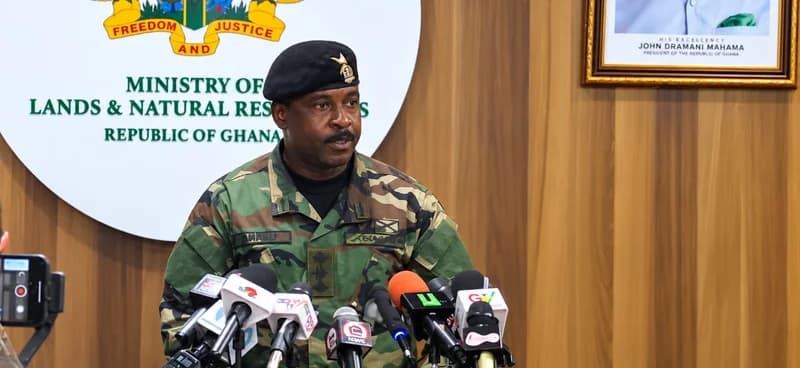
The National Anti-Illegal Mining Operations Secretariat (NAIMOS) has launched "Operation Green Shield," a targeted intervention to clear illegal mining from the Atewa Forest Reserve and other critical watersheds. Announced by the Director of Operations, Colonel K.S. Appiah, on October 22, 2026, the new operation follows a highly active four-month crackdown that resulted in the destruction of 1,970 "chanfang" mining machines and 863 makeshift structures across eight regions. The secretariat aims to stabilize these protected areas through a phased approach before eventually handing over long-term monitoring duties to the Forestry Commission.
Between June 13 and September 30, 2026, NAIMOS personnel conducted 738 operational activities, covering more than 50,662 kilometers of terrain. In addition to the destruction of mining equipment, the task force confiscated 74 firearms and 551 rounds of ammunition. Addressing the practice of burning seized equipment, Colonel Appiah explained that the secretariat often has no choice but to dismantle or burn heavy machinery on-site due to the lack of road access in remote riverine and forest areas, which makes transporting such hardware nearly impossible. He emphasized that leaving the equipment in water bodies would only exacerbate environmental damage.
Operation Green Shield is structured as a three-phase intervention: clearing affected areas, stabilizing them to prevent the return of miners, and transitioning protection responsibilities to relevant agencies. This initiative expands upon the framework of "Operation Water Shield," which has focused on protecting major water bodies such as the Birim and Ankobra rivers. Colonel Appiah reported that these riverine patrols have already led to visible improvements in local ecosystems and water quality, and the secretariat plans to deploy a dedicated riverine unit in collaboration with the Ghana Navy.
Supported by President John Dramani Mahama and various security agencies, NAIMOS is now shifting its intelligence-led operations toward identifying the suppliers and facilitators who provide the machinery for illegal mining. Colonel Appiah characterized the campaign as a "marathon" that requires sustained pressure to ensure environmental recovery. He urged local communities to continue reporting illegal activities, stressing that public trust and community engagement are vital to dismantling the networks that sustain illegal mining operations across the country.
