••
NADMO and Fire Service Address Major Outbreaks at Odawna Market and Kasapin Business Center
•3 min read•6 sources
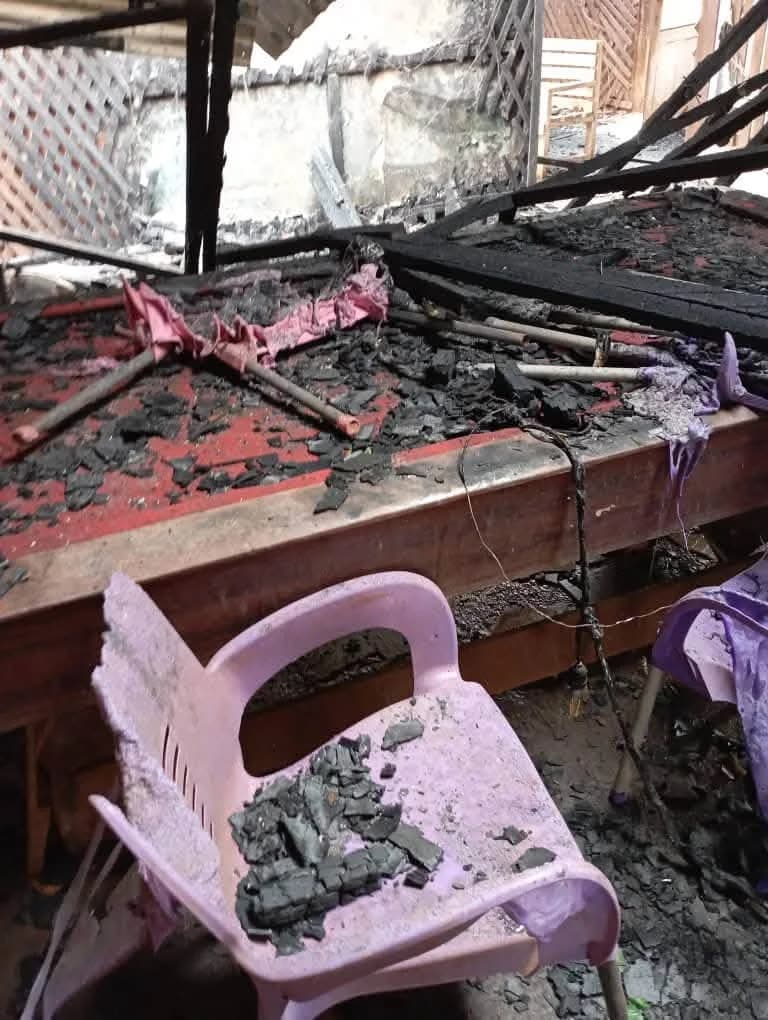
The National Disaster Management Organisation (NADMO) and the Ghana National Fire Service (GNFS) are currently managing the aftermath of significant fire incidents in the Greater Accra and Ahafo regions. While registration is underway for victims of the massive June blaze at the Odawna Rubber Market in Accra, a fresh fire in Kasapin has recently destroyed a local business hub. These events underscore the ongoing challenges of fire safety and the critical role of disaster management in supporting affected traders and rebuilding local economies.
In Accra, the focus remains on the recovery of the Odawna Rubber Market, where a devastating fire on June 29, 2023, claimed four lives and razed over 200 shops. The disaster was particularly difficult to manage as torrential rains flooded access routes, hindering fire appliances from reaching the scene quickly. Currently, NADMO has initiated a formal registration process to provide support to genuine victims. As of early October, 137 individuals have been recorded, though officials have cautioned against fraudulent double-registrations that threaten to complicate the relief process.
Simultaneously, a separate fire broke out at a drinking spot in the business center of Kasapin, located within the Asunafo North Municipality of the Ahafo Region. The fire reduced the establishment and its entire inventory to ashes under circumstances that are still being investigated. Ahafo Regional Deputy Director of NADMO, Kofi Dickson, led an assessment team to the site to evaluate the damage. Fortunately, unlike the Odawna tragedy, no injuries or fatalities were reported in the Kasapin incident, though the financial loss to the owner and local traders is significant.
The GNFS has used these occurrences to issue stern warnings to traders and the general public regarding safety measures. In Odawna, traders have been advised not to resume operations until investigations are complete and the site is declared safe. Similarly, the fire service has cautioned against cooking in marketplaces, which remains a leading cause of such outbreaks. The coordination between NADMO and the GNFS aims to prevent further loss of life and property as they work to establish the causes of both fires.
These outbreaks serve as a grim reminder of the vulnerability of Ghana’s commercial hubs to fire and flood-related disasters. The economic impact on local traders, many of whom lose their entire livelihoods in a matter of hours, necessitates a more robust approach to urban planning and market safety. Moving forward, NADMO’s registration efforts will be vital in ensuring that disaster relief is distributed fairly and that victims can begin the difficult process of rebuilding their lives.
Related topic
Ghana Fire Service Recruitment: Latest News Today →

