••
NADMO Intensifies Emergency Demolitions and Evacuations Across Central and Western Regions Following Deadly Floods
•2 min read•3 sources
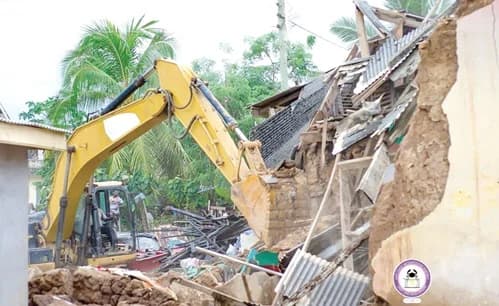
The National Disaster Management Organisation (NADMO) has intensified its safety interventions across the Central and Western Regions of Ghana following a series of devastating floods and structural failures. In the Central Region alone, 155 dilapidated structures have been earmarked for demolition after heavy rains led to 18 fatalities and significant property damage. These buildings, classified as structurally unsafe, include a high concentration of 50 properties in Cape Coast. To date, 27 of these hazardous structures have already been demolished as authorities move to prevent further loss of life among the 377 individuals currently displaced by the environmental crisis.
In the Western Region, proactive measures by NADMO successfully averted a potential tragedy in Sekondi. The Metropolitan Directorate issued a timely evacuation order for a two-storey building after identifying critical structural deficiencies. The building collapsed shortly after the residents moved out, suffering no casualties thanks to the prompt intervention. Hajj Abubakar Kamal, the NADMO Metropolitan Coordinator for Sekondi-Takoradi, emphasized that his team is actively identifying other high-risk properties to ensure public safety, though he stressed that cooperation from residents is vital for these preventative measures to be effective.
Infrastructure challenges are further complicated by the combined impact of weather and illegal human activities. A section of the Aboso-Damang road, a key transport link constructed by Goldfields Damang, recently caved in due to underground erosion. Local experts attribute the collapse to heavy rainfall exacerbated by illegal mining activities that have severely weakened the soil beneath the asphalt. This incident has created an immediate hazard for commuters and highlights the broader vulnerability of the region’s infrastructure to environmental and man-made pressures.
Moving forward, NADMO and local authorities are implementing a multi-faceted recovery and prevention strategy. This includes the construction of improved drainage systems to mitigate flood risks and providing aid to families seeking refuge with relatives. While some residents have expressed concerns regarding displacement, there is a growing call from both officials and the public for stricter regulations on building maintenance and more rigorous enforcement of land-use laws. These efforts aim to build long-term resilience against the increasingly volatile weather patterns affecting the coastal and mining districts.

