••
NADMO Issues Evacuation Orders as Floods and Landslides Claim 18 Lives Across Ghana's Central and Western Regions
•2 min read•4 sources
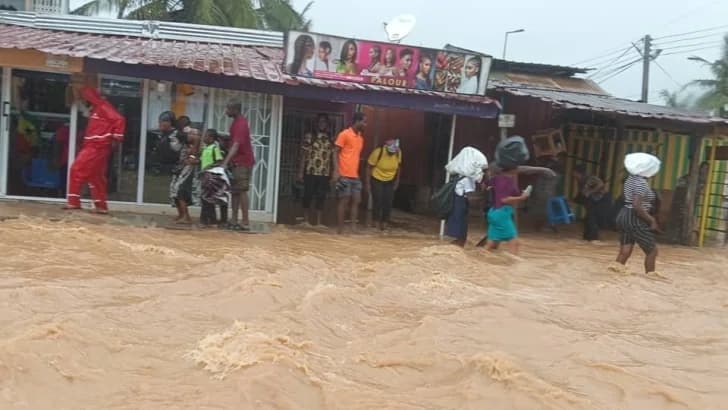
At least 18 people have been confirmed dead and nearly 9,000 others displaced following a series of devastating floods and rain-related disasters across Ghana’s Central Region. The National Disaster Management Organisation (NADMO) reports that the heavy rainfall, which intensified between June 19 and June 21, has impacted 13 metropolitan and district assemblies. Cape Coast emerged as the hardest-hit area, accounting for a significant portion of the fatalities. The disaster has left a trail of destruction, with at least 58 buildings collapsing and critical infrastructure severely damaged, forcing hundreds of families to seek temporary shelter as their homes became uninhabitable.
The fatalities in the Central Region were attributed to a range of tragic incidents, including five deaths resulting from building collapses and at least one confirmed drowning. In response to the structural instability caused by the persistent rains, NADMO has issued a 14-day mandatory evacuation notice for residents living in buildings identified as unsafe. The agency warned that the integrity of many structures has been compromised, posing an immediate threat to life. Ongoing assessments are being conducted to evaluate the full extent of the damage, though officials admit that the scale of the displacement has already stretched local resources to their breaking point.
Parallel to the crisis in the Central Region, the Western Region also suffered significant impact due to the inclement weather. At the Albert Bosomtwi-Sam Fishing Harbour in Sekondi, a massive landslide triggered a catastrophic fire and explosion. Continuous rains destabilized a nearby hill, causing a high-tension electricity pole to uproot and ignite a pre-mix fuel dump. The resulting blaze destroyed several vehicles and harbour facilities, requiring an intensive operation by the Ghana National Fire Service to bring the fire under control. Local authorities have since ordered an evacuation of the harbour vicinity, citing the high risk of further landslides as the ground remains saturated.
NADMO has made an urgent public appeal for relief items and financial support, noting that its emergency stockpiles are critically depleted. With the Ghana Meteorological Agency forecasting additional rainfall in the coming days, disaster management officials are urging residents in flood-prone areas and low-lying terrains to relocate to higher ground immediately. The current crisis highlights a pressing need for improved urban planning and more robust disaster preparedness measures to mitigate the recurring impact of seasonal flooding on vulnerable communities across the country.
Related topic
Ghana Fire Service Recruitment: Latest News Today →

