Ghana News AI
HomeBriefsAsk GhanaTopicsTools
•
•

Stay Informed

Get AI-curated news briefs from Ghana delivered to your inbox every morning. Free forever, no spam.

Explore

  • Home
  • Briefs
  • About

Categories

  • Politics
  • Business
  • Sports
  • Entertainment
  • Africa

Features

  • Analysis
  • Cedi Rates
  • Dollar to Cedi
  • Ghana Gold Price
  • BoG Policy Rate

Topics

  • Armed Forces Recruitment
  • WAEC Results & News
  • Nana Ama McBrown
  • NDC News
  • All Topics

Legal

  • Privacy Policy
  • Terms of Service
Ghana News AI© 2026. All rights reserved.
Made withfor Ghana
health

NACOC and FDA Intensify Crackdown on Illicit Beverages and Unapproved Medicinal Drinks to Protect Public Health

2 days ago•3 min read•3 sources
Central University was just the beginning: NACOC strikes again, arrests female ringleader at KTU
  1. Home
  2. /Health
  3. /NACOC and FDA Intensify Crackdown on Illicit Beverages and Unapproved Medicinal Drinks to Protect Public Health

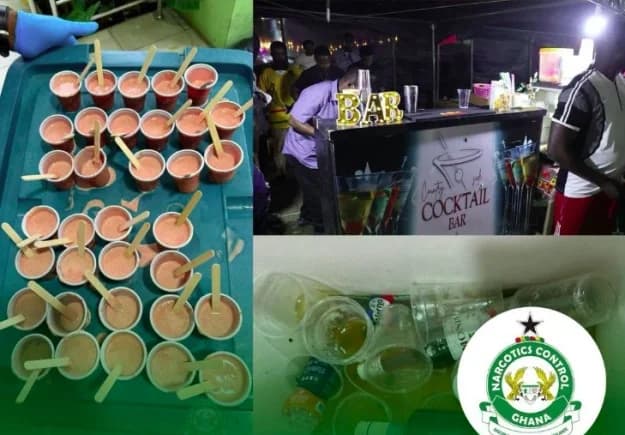
Health authorities and law enforcement agencies across the region have launched a series of aggressive campaigns to curb the production and sale of unregulated and illicit beverages. In Ghana, the Narcotics Control Commission (NACOC) recently disrupted a drug syndicate operating within Koforidua Technical University (KTU), arresting ten students for manufacturing and selling cannabis-infused products. This operation, which occurred between July 31 and August 1, 2026, targeted the sale of drug-laced ice cream, fruit drinks, and palm wine during the institution's SRC Hall Week celebrations. The raid was led by monitored intelligence that identified 23-year-old Priscilla Tetteh as the primary ringleader of the group.

This crackdown on campus-based narcotics follows a similar intervention at Central University in June, highlighting a concerning trend of students commercializing illicit substances under the guise of common refreshments. Beyond narcotics, the Food and Drugs Authority (FDA) has also issued a stern warning regarding the sale of beverages with unverified health claims. Dr. Martin Kusi of the FDA specifically addressed the distribution of a 'medicinal' sobolo drink associated with Prophet Stephen Adom Kyei-Duah. The authority emphasized that marketing any beverage as a medicinal product without rigorous regulatory approval is a criminal offense, posing significant risks to unsuspecting consumers who may bypass conventional medical treatment for unapproved alternatives.

The regional push for beverage safety extends to Rwanda, where the Rwanda FDA has shut down eight liquor factories, including Ingufu Gin Ltd and NBG Ltd. This enforcement action is part of the "Tunywe Less" campaign, a public health initiative designed to combat rising alcohol abuse among the youth. Regulatory data indicates a sharp increase in alcohol consumption among young people, rising from 41% in 2013 to 48% in 2022. The affected Rwandan firms have had their manufacturing licenses revoked and were ordered to recall their products within three days to mitigate further health risks to the public.

These combined efforts by NACOC and various Food and Drugs Authorities underscore an urgent shift toward stricter regulation of the beverage industry to safeguard public health. Whether addressing the infusion of narcotics in student-targeted snacks or the sale of unapproved 'spiritual' medicines, officials are sending a clear message that regulatory compliance is non-negotiable. Moving forward, the FDA and NACOC have pledged to increase surveillance within educational institutions and marketplace hubs to ensure that all consumable products meet the safety standards required by law, protecting citizens from the harmful effects of illicit and unverified substances.

Our Take

From the Team

Coming Soon

Our team will add key insights, trends, and actionable takeaways to help you stay informed faster.

This story touches markets covered on Anansi Intelligence ↗.

More from health

Continue exploring similar stories

StopNCII: The tool that can stop your intimate images from spreading online
health|Yesterday

Cyber Security Authority Promotes StopNCII Tool to Combat Sextortion and Protect Digital Health in Ghana

In an era where digital footprints are permanent, the non-consensual sharing of intimate images (NCII) has emerged as a critical threat to personal safety and mental well-being. To address this, the StopNCII tool is being highlighted as a vital resource for survivors in Ghana, where cases of online blackmail and sextortion have seen a dramatic rise. The Ghana Cyber Security Authority has reinforced that the unauthorized sharing or leaking of intimate content is a criminal offense, urging citizens to leverage technology-driven solutions to protect their digital dignity and psychological health. Launched in 2021 by the UK-based charity South West Grid for Learning (SWGfL), StopNCII operates on a privacy-first model that prioritizes survivor safety. Unlike traditional reporting systems, the platform utilizes perceptual hashing technology. This process creates unique digital fingerprints, or hashes, of intimate images directly on the user's device. These hashes are then shared with participating social media platforms to identify and block the content from being uploaded or shared, ensuring that the original images are never stored or seen by the platform itself. The global impact of the tool has been substantial; by 2025, StopNCII has successfully protected approximately 2 million images and supported over 785,000 cases worldwide. In the Ghanaian context, this tool provides a necessary shield against the revenge porn culture that has historically left victims with few avenues for immediate recourse. By shifting the power back to the individual, the platform mitigates the long-term trauma associated with viral exposure and the subsequent social stigma that often accompanies such breaches of trust. As the Cyber Security Authority outlines stricter recommendations for digital self-defense, the integration of tools like StopNCII marks a shift toward proactive harm prevention. Individuals are encouraged to remain vigilant against sextortion threats and to report any instances of digital abuse to the appropriate authorities immediately. Moving forward, the focus remains on fostering a safer digital environment where the health and privacy of every Ghanaian are protected against the malicious exploitation of intimate content.

Sydney Towle/Instagram Towle, wearing glasses and a t-shirt, laying down on a pillow in a hospital bed with a giraffe stuffed animal
health|Yesterday

Health Advocates and Influencers Use Personal Platforms to Break Stigmas Surrounding Chronic Illness and Mental Health

The global and local health landscapes are being increasingly shaped by personal narratives that challenge stigma and promote awareness. The recent passing of Sydney Towle, a 26-year-old TikTok star, has highlighted the power of social media in documenting the realities of rare diseases. Towle, who battled cholangiocarcinoma (bile duct cancer) for nearly three years, garnered over a million followers by sharing her journey with optimism, even participating in high-profile events like Miami Swim Week shortly before her death. Her legacy continues to foster rare cancer awareness among her vast digital community. In addition to cancer awareness, public figures are using their platforms to address the complexities of sexual health and addiction. Nigerian influencer Chika Wonder recently utilized "The Honest Bunch Podcast" to speak candidly about his HIV-positive status, which he believes was the result of a past struggle with sex addiction and unprotected sexual encounters. By openly discussing his history and the circumstances of his diagnosis, Wonder aims to educate others and dismantle the silence that often surrounds HIV/AIDS, emphasizing that transparency is a vital tool for prevention and public health education. Closer to home, the focus on health also extends to the mental well-being of Ghanaians, where sudden crises can have devastating effects on families. Reports of a man hospitalized for over a year due to a sudden mental health breakdown serve as a poignant reminder of the ongoing challenges within the nation's psychiatric care system. These cases often involve complex family dynamics and social stressors, underscoring the need for more robust support systems and a better understanding of mental health conditions to ensure that patients and their families receive the necessary care and compassion. Ultimately, these stories—ranging from terminal illness and infectious disease to mental health struggles—demonstrate that health is a multifaceted issue that requires both medical intervention and social support. Whether through the global reach of a TikTok influencer or the local reporting of a family crisis, the message remains clear: breaking the silence is the first step toward healing and progress. These personal accounts not only honor the experiences of those affected but also serve as a call to action for improved healthcare resources and a more empathetic society.

GHATEX Launches Five-Year Road Safety and Tourism Project to Reduce Accidents at Ghana's Tourist Sites
health|Yesterday

GHATEX Launches Five-Year Road Safety and Tourism Project to Reduce Accidents at Ghana's Tourist Sites

The Ghana Tourism Authority Ex-staff Association (GHATEX), in collaboration with key state institutions, has officially launched the Road Travel Safety and Tourism Project in Accra. This strategic initiative is designed to bolster public education on road safety and significantly reduce the frequency of accidents on routes leading to the country's various tourist destinations. By integrating safety protocols with tourism promotion, the project seeks to ensure that both domestic and international visitors can travel across the nation with greater confidence and security. Over the next five years, the project will focus on addressing critical factors contributing to road incidents, including driver behavior, vehicle maintenance, and the promotion of responsible road practices. During the launch ceremony, Abraham Amaliba, the Director-General of the National Road Safety Authority (NRSA), emphasized that road safety must be viewed as a collective responsibility. The initiative aligns with broader governmental priorities to improve transport infrastructure and enforcement, aiming to curb the trend of preventable road crashes that often negatively impact the travel experience and national reputation. Maame Afua Houadjeto, CEO of the Ghana Tourism Authority (GTA), highlighted the intrinsic link between safe transportation infrastructure and the sustainable growth of the tourism sector. By fostering a safer environment for travelers, the project aims to encourage domestic tourism as a cornerstone of national development. This collaboration between GHATEX and state agencies represents a proactive effort to harmonize safety standards with the hospitality industry, ensuring that Ghana remains a premier and safe destination for all visitors. The successful implementation of these measures is expected to safeguard lives while driving economic progress through increased tourist activity.

Dr Fred Adomako-Boateng, Ashanti Regional Director of Health Services addressing the media after the event.
health|Yesterday

Ghana Health Updates: Ashanti Region Records Breastfeeding Gains While Officials Push for Enhanced Autism Data and Sanitation

Public health initiatives across Ghana are seeing significant milestones and renewed advocacy, ranging from nutritional improvements in the Ashanti Region to a national call for better disability data systems. In the Ashanti Region, health officials have reported a notable increase in exclusive breastfeeding rates among infants aged zero to three months, rising from 81.9% in 2024 to 83.8% in 2025. While the region is making strides toward its 95% target, Dr. Fred Adomako-Boateng has emphasized that achieving these goals requires a collective effort, specifically calling for the establishment of breastfeeding-friendly workplaces and dedicated lactation rooms to support working mothers. Simultaneously, the Minister for Gender, Children and Social Protection, Dr. Agnes Naa Momo Lartey, is advocating for a data-driven approach to neurodevelopmental health. During an annual Autism Workshop in Accra, the Minister underscored the necessity of robust data systems to properly serve individuals with autism. Viewing autism as a cross-cutting development issue, Dr. Lartey urged for stronger collaboration between the government, private sector, and civil society. This call was echoed by private sector partners like GTBank, who stressed the urgency of removing societal barriers through early diagnosis and inclusive support systems. Environmental health and sanitation also took center stage as civil servants and local traders addressed pressing hygiene concerns. In Accra, civil servants organized a massive clean-up exercise within the Ministerial Enclave as part of the 2026 Civil Service Week. Under the theme 'The Resetting Agenda for Sustainable Development in Ghana,' staff from various agencies desilted drains and cleared refuse to promote a healthier working environment. Chief Director Ms. Suweibatu Adam noted that maintaining such cleanliness is vital for public health and national productivity. However, the sanitation situation remains critical in other parts of the country, particularly at the Agomanya Market in the Lower Manya Krobo Municipality. Local traders have intensified demands for the permanent relocation of an overflowing refuse dump that sits in the heart of the marketplace. Surrounded by food vendors, the dump has become a major health hazard, with traders citing offensive odors and the risk of disease as primary reasons for their protest. These combined developments highlight the ongoing challenges and successes in Ghana's health sector as the nation seeks to balance nutritional gains with environmental and social infrastructure improvements.

All
africa
business
education
entertainment
health
news
politics
sports
technology