••
Narcotics Control Commission launches drug education at Diabene SHS
•2 min read•1 source
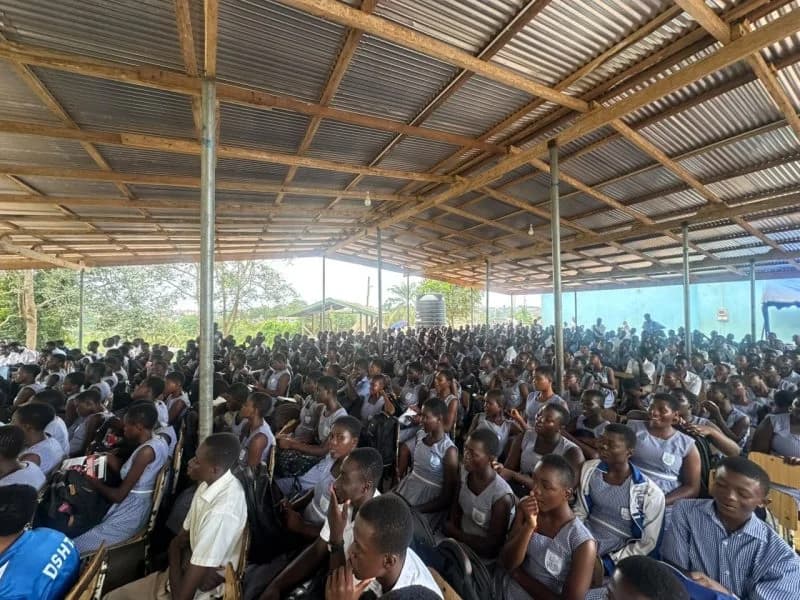
The Narcotics Control Commission (NACOC) Western Regional Command has officially launched a drug education campaign targeting newly admitted Senior High School (SHS) students across the Western Region. The initiative commenced at Diabene Senior High School, where officials engaged with first-year students to raise awareness about the pervasive dangers of substance abuse. This campaign comes as part of the Commission's proactive strategy to protect the youth from the negative impacts of illicit drugs as they transition into the secondary education system.
During the session at Diabene SHS, representatives from NACOC highlighted the critical role that peer pressure plays in introducing young people to drug use. The education programme is designed to provide students with practical knowledge and psychological tools to resist social pressures that lead to addiction. By focusing on "freshers," the Commission aims to instill a culture of drug-free living right from the start of their three-year academic journey, emphasizing that health and education are the foundations for a successful future.
Beyond just the health risks, the NACOC team discussed the broader implications of drug abuse, including its ability to derail academic progress and destroy future career prospects. Students were encouraged to focus on their studies and participate in positive extracurricular activities that promote personal growth and communal well-being. The Commission reiterated its commitment to creating a safe, drug-free environment in schools, noting that early intervention is key to preventing the long-term societal issues associated with narcotics.
Following the successful engagement at Diabene, the Western Regional Command plans to roll out this sensitisation exercise to other second-cycle institutions throughout the region. This regional tour is part of a wider national effort by the Narcotics Control Commission to reduce the prevalence of drug abuse among the youth in Ghana. By collaborating with school authorities, NACOC hopes to maintain a continuous dialogue with students, ensuring they remain informed and vigilant against the threat of drugs.

