••
Nabeeha Atiah Named Sanitation Diplomat as Achimota and Accra Academy Advance in Public Speaking Contest
•2 min read•8 sources
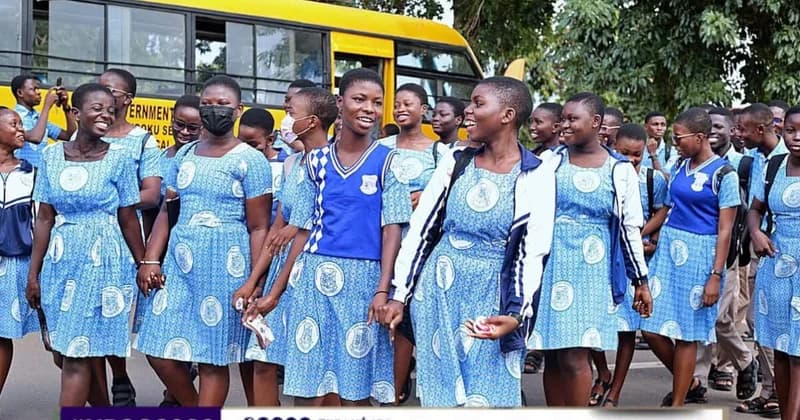
Highlighing the vital role of youth in addressing Ghana’s social and environmental challenges, two major student competitions recently concluded in Accra with significant results. Miss Nabeeha Sulemana Atiah from Elmina Methodist Junior High School emerged as the 2026-2027 Child Sanitation Diplomat, while elite secondary schools including Achimota School and Accra Academy secured their spots in the next round of the National Public Speaking Event. These platforms continue to empower Ghanaian students to articulate solutions for pressing national issues, ranging from environmental hygiene to the dangers of substance abuse.
The Greater Accra National Public Speaking Event, hosted at PRESEC Legon, saw Achimota School, Accra Academy, and PRESEC Osu qualify for the next stage of the competition. The event focused on the escalating threat of drug abuse in Ghana. Participating students delivered compelling presentations on the psychological and physical dangers of addiction, citing mood swings, secrecy, and a loss of interest in education as critical warning signs. Beyond identifying the symptoms, the speakers proposed practical interventions to assist those affected and prevent further involvement in substance abuse, fostering a sense of civic responsibility and confidence among the participants.
Simultaneously, at the National Theatre, Miss Nabeeha Sulemana Atiah was crowned the 2026-2027 Child Sanitation Diplomat after winning the Seventh Sanitation Solutions Challenge. Organized by World Vision Ghana, the quiz competition is designed to cultivate sustainable sanitation practices within schools. For her victory, Nabeeha received a laptop, a cash prize, and a plaque, along with institutional support to implement a one-year environmental sanitation project. Deputy Minister Rita Naa Odoley Sowah commended the initiative, noting its alignment with the government’s efforts to ensure a cleaner Ghana under the current administration's development agenda.
These educational initiatives come at a critical time as infrastructure gaps remain a significant hurdle for the sector. Data from the Ministry of Education indicates that 25% of public schools in Ghana still lack safe drinking water and adequate toilet facilities, directly impacting the health and education of over 1.5 million children. By positioning students as advocates through public speaking and diplomacy roles, educators and partner organizations like World Vision hope to drive behavioral change and prioritize environmental and social health within the national discourse.