••
MSF Confronts Dual Crisis: DRC Ebola Outbreak Escalates as Sexual Abuse Scandal Rocks Humanitarian Operations in Chad
•3 min read•4 sources
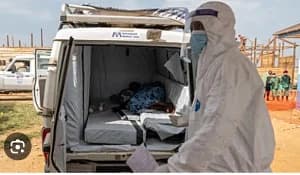
The health and humanitarian landscape in Central Africa is facing a severe double crisis as the Ebola outbreak in the Democratic Republic of Congo (DRC) continues to widen, while Doctors Without Borders (MSF) grapples with a systemic sexual abuse scandal. The International Federation of Red Cross and Red Crescent Societies (IFRC) has warned that the current Ebola epidemic, which has already claimed nearly 200 lives, could persist for another year. Simultaneously, MSF has admitted that its staff members exploited vulnerable Sudanese refugees in Chad, trading food and employment for sex—a revelation that threatens the trust necessary for effective medical intervention in the region.
Since the Ebola outbreak was declared on May 15, health officials have recorded 808 confirmed cases and 192 deaths. The situation is particularly dire because the current epidemic involves the Bundibugyo strain, for which there are currently no licensed vaccines or specific treatments. MSF and other health experts have highlighted "dangerous gaps" in the response, citing overwhelmed treatment centers, limited testing capabilities, and delayed laboratory results. The crisis has already crossed borders into neighboring Uganda, raising fears of a geographic expansion similar to the devastating 2014 West Africa epidemic. Security concerns in the affected regions and a lack of disease surveillance funding further complicate containment efforts.
While fighting the virus on the ground, MSF is also managing the fallout of a grave internal breach of ethics. The medical charity acknowledged that at least 59 Sudanese refugees in eastern Chad were sexually abused by its staff in 2024. Internal investigations revealed a harrowing pattern of exploitation where young girls were offered food or jobs in exchange for sexual favors amidst the ongoing Sudanese civil war. Although MSF has dismissed 18 individuals linked to these abuses, the organization admitted it could not identify all culprits. Victims often refrained from reporting the misconduct due to a paralyzing fear of losing access to life-saving aid, a situation the charity's internal reports described as resembling "sexual trafficking."
These developments underscore the precarious state of health and humanitarian efforts in conflict-prone regions. In the DRC, a lack of trust within the local population is already hindering medical responses to Ebola, a problem that could be exacerbated by the ethical failures reported in Chad. To prevent the Ebola outbreak from reaching catastrophic levels, experts emphasize that community engagement must be prioritized alongside medical logistics. As Sudan’s humanitarian crisis worsens—with 11 million displaced and millions more facing starvation—the integrity of organizations like MSF and the Red Cross remains paramount. The path forward requires not only urgent medical funding and vaccine research for the Bundibugyo strain but also a rigorous commitment to safeguarding the dignity of the populations these agencies serve.
This story touches markets covered on Anansi Intelligence ↗.
More from health
Continue exploring similar stories


