••
Road Construction Delays and Muddy Conditions Leave Motorists Stranded on Tema-Aflao and Bole Highways
•2 min read•2 sources
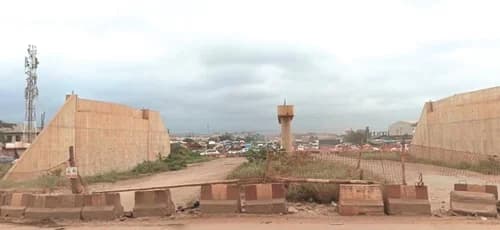
Ghana’s road infrastructure is under heavy scrutiny as commuters face severe disruptions on two major transit routes: the ongoing Tema-Aflao Highway expansion in the south and a critical bottleneck at the Doli Bridge in the Savannah Region. While the 17-kilometre stretch near Tema continues to struggle with long-term construction delays and uneven surfaces, motorists in the north are currently stranded by impassable muddy conditions caused by active roadworks. These dual crises highlight the logistical challenges facing the Ministry of Roads and Highways as it attempts to modernize the country's aging transportation network under the administration of President John Mahama.
The Tema-Aflao Highway project, which aims to expand the vital corridor into a six-lane thoroughfare, has become a significant source of frustration for commuters and local businesses. Originally launched in October 2020 and funded by a bilateral loan from the United Kingdom, the project suffered a major setback when work was suspended in December 2022. Although construction resumed in April 2025, the Minister of Roads and Highways, Kwame Governs Agbodza, has expressed deep concern over the sluggish pace of progress. While contractors report that drainage works are currently underway, they do not anticipate substantial improvements in traffic flow until December 2026, leaving motorists to navigate daily congestion for the foreseeable future.
Simultaneously, a more immediate crisis has unfolded at the Doli Bridge on the Bole highway, where more than 100 vehicles have become trapped in thick, muddy clay. The hazardous conditions, a direct result of ongoing construction activities, have rendered the stretch nearly impassable for standard vehicles. Local police have been deployed to the scene in the Savannah Region to manage the growing queue of stranded motorists and provide emergency assistance. Authorities have urged drivers to exercise extreme caution and reduce speed when approaching the area, as efforts to restore safe passage continue amidst the challenging terrain.
These infrastructure bottlenecks carry significant economic implications, affecting both international trade links to Togo and essential internal connectivity to Ghana's northern regions. For the government, the timely completion of these projects is a priority for regional integration and economic stability. However, the current disruptions have led to increased calls from transport unions for better contractor oversight and more effective temporary measures to mitigate traffic during construction phases. As monitoring continues, the pressure remains on the Ministry to ensure that these critical lifelines are restored to full capacity without further delay.
Related topic
John Mahama: Latest News & Updates →

