••
Central Region Schools Morkwa SHS and Atsiapa Memorial Appeal for Urgent Infrastructure and Resource Support
•2 min read•5 sources
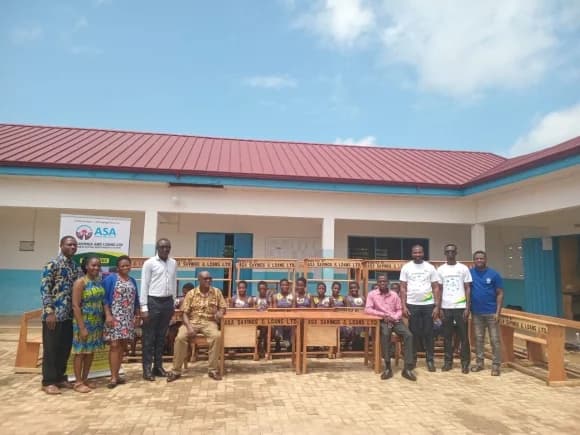
Educational institutions in Ghana’s Central Region are grappling with severe infrastructure deficits that threaten to undermine academic performance and student well-being. At both Morkwa Senior High School (SHS) and Atsiapa Memorial Methodist Basic School, administrators have issued urgent pleas for government and private sector intervention. The challenges range from a critical lack of classroom space and dormitories to a shortage of basic furniture and functional technology, creating what students and staff describe as a "depressing" environment for teaching and learning.
At Morkwa Senior High School, the situation has reached a breaking point, with students from all three year groups forced to share a single eight-unit classroom block. Assistant Headteacher Mr. Eric Pesu reported that the resulting overcrowding has significantly hindered effective instruction and is negatively impacting the academic output of the student body. The lack of dedicated dormitory facilities further exacerbates the situation, leading to calls for immediate support from the government and non-governmental organizations (NGOs) to prevent a total collapse of the school's educational standards.
In Elmina, the Atsiapa Memorial Methodist Basic School faces a similar struggle with resources. Headteacher Peter Woode highlighted that the school, which has an enrollment of approximately 600 pupils, previously operated with only 180 dual desks. This shortage often forced students into congested and uncomfortable seating arrangements that impaired concentration. While ASA Savings and Loans LTD recently intervened by donating 20 dual desks, two tables, and two chairs as part of its corporate social responsibility, the school still lacks adequate lighting and functional computers; of the ten computers available, only five are currently operational.
While corporate donations like those from ASA Savings and Loans provide temporary relief, school leaders emphasize that long-term solutions require sustained state investment. Local officials in the district, including representatives from the Forestry Commission and NADMO, have also noted that the region's development is a multifaceted issue, linking educational success to broader community stability and resource management. Without a comprehensive plan to address the infrastructure gaps in these schools, the future academic prospects of hundreds of students in the Central Region remain at risk.
This story touches markets covered on Anansi Intelligence ↗.
More from education
Continue exploring similar stories


