••
Minority Women’s Caucus demands independent inquiry into Obuasi SHTS abuse
•2 min read•3 sources
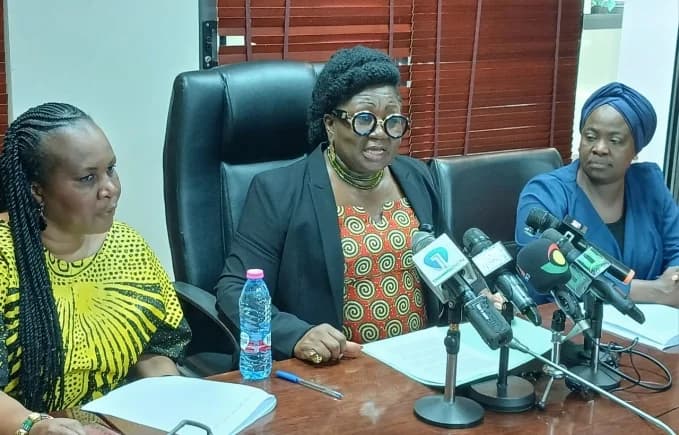
The Minority Women’s Caucus in Parliament has called for an independent inquiry into allegations of sexual abuse involving 19 female students at Obuasi Senior High Technical School (SHTS). The demand, led by Deputy Minority Leader Patricia Appiagyei, seeks to uncover why previous complaints against the school’s headmaster, Zakaria Abdulai, were reportedly ignored and whether political interference played a role in obstructing justice. This follows the recent arrest and interdiction of Mr. Abdulai after a media investigation detailed allegations including rape and systemic misconduct.
At a press conference on October 22, 2026, the caucus highlighted significant concerns regarding the timeline of the authorities' response. While the headmaster is now in custody, the Minority pointed out that multiple reports suggest officials were notified of the abuse long before action was taken. Madam Appiagyei criticized the initial response of the Ghana Police Service as inadequate and stressed that the investigation must prioritize the dignity and safety of the affected students while holding all responsible officials accountable for any institutional failures.
The caucus has outlined four primary demands to address the situation. These include a thorough investigation into all specific allegations of sexual misconduct at the school, the provision of immediate psychological support and protection for the victims, and an independent parliamentary inquiry into the handling of prior complaints. Furthermore, the caucus is calling on the relevant sector ministers to issue official statements explaining the lapse in oversight that allowed the alleged abuse to persist for an extended period.
In their closing remarks, the Minority Women’s Caucus advocated for the establishment of transparent and confidential reporting mechanisms within the educational system to safeguard students' rights. They commended the media and local youth associations for their role in exposing the scandal. The caucus emphasized that ensuring swift justice and implementing systemic reforms are essential to preventing similar occurrences in other schools across the country.
