••
Minority in Parliament and NPP Spokespersons Reject PURC’s "Illogical" July 1 Tariff Hikes
•3 min read•10 sources
The Public Utilities Regulatory Commission’s (PURC) decision to implement a 3.49% increase in electricity tariffs and a 0.85% rise in water tariffs, effective July 1, 2026, has ignited a firestorm of political criticism. The Minority in Parliament, led by Deputy Ranking Member on the Energy Committee Collins Adomako-Mensah, has vociferously condemned the adjustments as "unjustifiable" given the current economic climate. Opponents argue that recent improvements in key economic indicators should have necessitated a reduction in utility charges rather than a hike, characterizing the PURC’s mathematical rationale as flawed and disconnected from the reality of Ghanaian households. This move brings the cumulative increase in electricity rates to a staggering 31.69% since January 2025, a figure the Minority claims will exacerbate the financial burden on citizens already struggling with high living costs.
The political fallout has extended beyond the Minority to include spokespersons for the New Patriotic Party (NPP), who have turned the tariff hike into a critique of the National Democratic Congress (NDC) government’s management. Kofi Tonto and Dennis Miracles Aboagye, aides to Dr. Mahamudu Bawumia, accused the NDC of betraying its pre-election promises to ease the cost of living. They asserted that the adjustments lack justification based on the PURC’s own data and represent a failure of the government's economic strategy. In response, the PURC has defended its decision, citing external pressures such as fluctuating exchange rates, inflation, and the necessity of ensuring the financial sustainability of utility providers. The commission maintains that these quarterly reviews are essential to preserve the value of tariffs and support the operational viability of the sector.
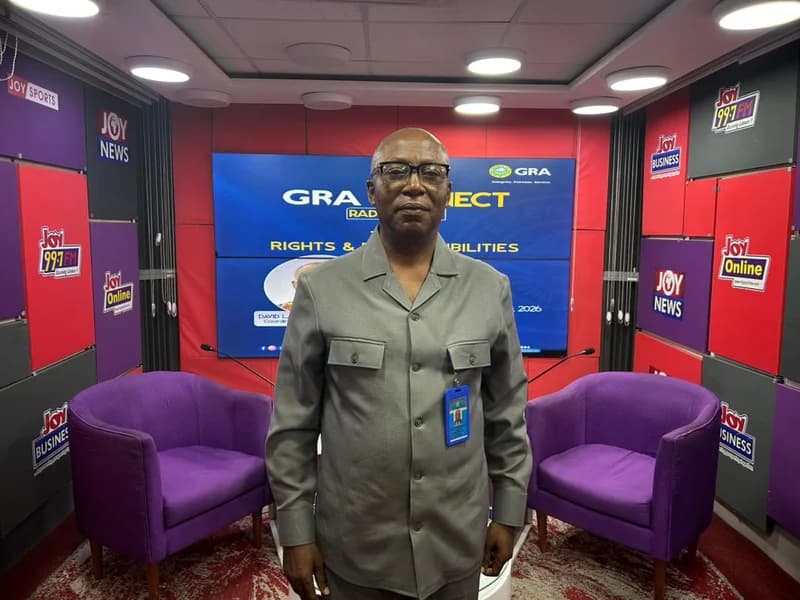
This controversy unfolds against a backdrop of significant fiscal challenges in the energy sector. A recent report from the Finance Minister indicated that the Energy Sector Shortfall and Debt Repayment Levy generated GH¢8.81 billion in the 2025 fiscal year. However, this revenue proved insufficient to cover the total sector liabilities of GH¢22.67 billion, forcing a GH¢12.85 billion withdrawal from the Treasury to bridge the gap. While the government has defended its fund management as vital for stabilizing power supply, civil society groups continue to demand greater transparency. Parallel to these developments, the Ghana Revenue Authority (GRA) has been intensifying public engagement through the GRA Connect Radio Show to clarify taxpayer rights and obligations under the Revenue Administration Act, emphasizing the need for timely compliance to address the nation’s revenue shortfalls.
As the July 1 deadline approaches, the tension between regulatory necessity and political accountability remains high. While the government and PURC argue for fiscal realism and utility sustainability, the Minority continues to demand a reversal of the hikes, questioning the effectiveness of a review process previously linked to IMF agreements. Furthermore, the administration is facing internal pressure to maintain transparency in other sectors, as seen in the ongoing defense of the NLA-KGL deal against media allegations. The convergence of these issues—utility pricing, debt management, and tax administration—underscores the complex challenge of balancing industrial viability with the economic well-being of the Ghanaian populace in an election-adjacent environment.
This story touches markets covered on Anansi Intelligence ↗.
Related topic
Ghana Customs Recruitment: Latest News & Updates →More from politics
Continue exploring similar stories


