••
Ministry of Health Defends Labour Exchange Programme as 47 Nurses Depart for Saint Kitts and Nevis
•2 min read•2 sources
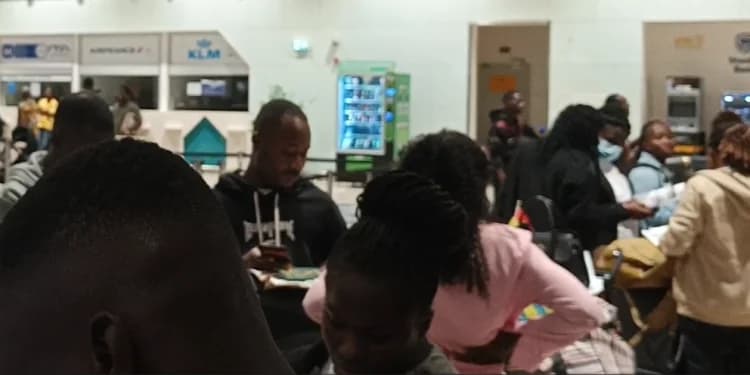
The Government of Ghana has officially deployed 47 health professionals to Saint Kitts and Nevis under the Ghana Labour Exchange Programme (GLEP), marking a significant milestone in the nation's strategy to manage labor mobility within the health sector. This inaugural cohort, consisting of 15 Community Health Nurses and 32 General Nurses, recently departed as part of a bilateral initiative designed to provide structured and legal pathways for Ghanaian health workers to gain international experience. The program is a direct response to the burgeoning unemployment crisis among trained professionals, offering a temporary solution for those currently unable to find placement within the local health system.
Defending the initiative against potential critics, Tony Goodman, the Spokesperson for the Ministry of Health, described the exchange as a pragmatic approach to a pressing domestic challenge. He revealed that since 2019, more than 105,000 trained health workers have remained unemployed in Ghana. By facilitating these organized departures, the government aims to ensure that migration occurs under safe, dignified, and ethical conditions, rather than leaving professionals to seek opportunities through unregulated or high-risk channels. Goodman emphasized that the skills and international exposure gained by these nurses are intended to eventually benefit the Ghanaian healthcare system through a structured return process.
Adding to the official government stance, Deputy Chief of Staff Nana Oye Bampoe Addo highlighted the importance of maintaining high professional standards, urging the departing nurses to uphold Ghana's reputation abroad. She noted that this deployment is part of a broader effort to strengthen global health cooperation and establish Ghana as a key contributor to the global medical workforce. The GLEP serves as a strategic framework to manage the country's employment surplus while fostering a circular migration model, where expertise acquired in foreign healthcare systems is eventually reinvested back into Ghana's local medical infrastructure.
This story touches markets covered on Anansi Intelligence ↗.
More from health
Continue exploring similar stories


