••
Mike Oquaye proposes constitutional reforms to limit presidential powers
•2 min read•1 source
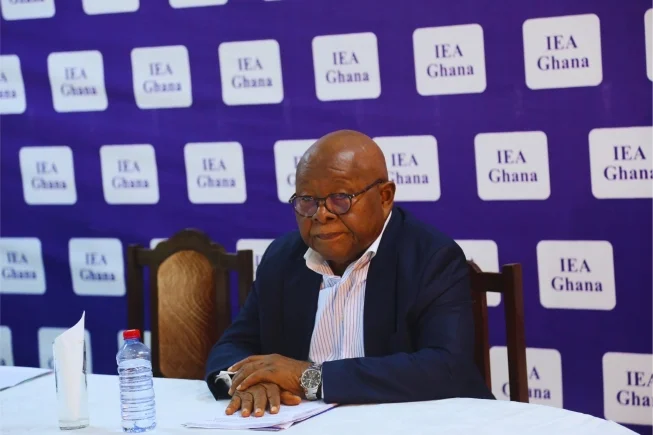
Former Speaker of Parliament Professor Aaron Mike Oquaye has called for significant constitutional reforms aimed at reducing presidential influence over key technical public institutions. Speaking at a forum organized by the Institute of Economic Affairs (IEA) in Accra, Professor Oquaye argued that granting these bodies greater independence is essential for ensuring continuity in national development planning, which is often disrupted by changes in political administration.
Professor Oquaye emphasized that institutions requiring high levels of technical expertise should be empowered to appoint their own representatives rather than being subject to executive appointments. He specifically pointed to the National Development Planning Commission (NDPC) as an entity that must be shielded from political interference to maintain a stable, long-term national agenda. By safeguarding these technocratic bodies, he argued, Ghana could prevent incoming governments from abandoning the strategic initiatives and projects established by their predecessors.
During his presentation, the former Speaker referenced Singapore’s governance model as an example of how successfully integrating technocratic expertise can lead to sustainable national growth. He further extended his call for reform to the management of land and natural resources, suggesting that constitutional protections must be strengthened to safeguard citizens' rights against executive overreach. This perspective was echoed by former Deputy Minister George Mireku Duker, who highlighted the need for increased transparency and accountability regarding how resource wealth is allocated to host communities.
The proposals come amid ongoing national discussions regarding the 1992 Constitution and whether the current system grants excessive power to the executive branch. Professor Oquaye’s recommendations underscore a growing consensus among governance experts that decentralizing appointment powers and insulating development planning from the electoral cycle are vital steps for securing Ghana’s long-term socio-economic stability.