••
Mfantsipim School Alumni Call for Financial Independence and Entrepreneurial Excellence at 11th MOBA Engagement Series
•2 min read•7 sources
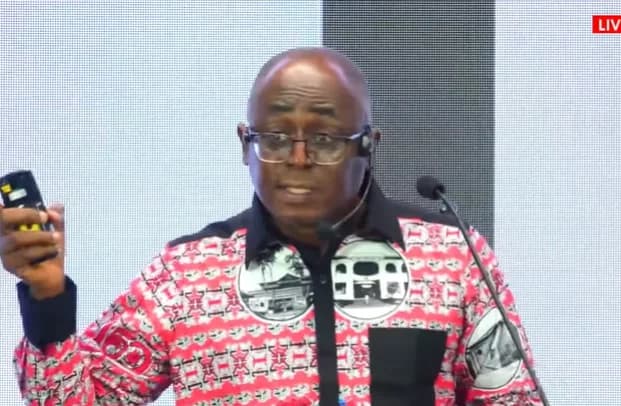
During the 11th Mfantsipim Old Boys Association (MOBA) Annual Engagement Series, prominent alumni called for a radical shift in how the historic institution is funded and how it prepares students for the global economy. As the school looks toward and beyond its 150th anniversary, the discussions centered on moving away from a donation-heavy financial model and fostering a new generation of business leaders and entrepreneurs. Speakers emphasized that while the school’s heritage is rooted in discipline and responsibility, its future depends on financial self-sufficiency and an evolved curriculum that addresses Ghana’s business landscape.
Patrick Ebo Kittoe, the Chief Operating Officer of SIB Liberia Limited and a member of the 1996 year group, raised concerns about the association’s current funding structure. He revealed that 92% of MOBA’s revenue is derived from donations, a dependency he argued creates financial instability and limits operational independence. To mitigate risks such as revenue volatility and donor influence, Kittoe proposed the establishment of an impact investment fund and the development of commercial ventures. He stressed the importance of creating a robust, multi-generational financial model that ensures the school’s cultural integrity and heritage remain intact for the next century.
Complementing the call for financial reform, Nana Akwasi Awuah, Managing Partner of Parkwood and Mossane and a 2006 alumnus, advocated for a stronger focus on entrepreneurship. Awuah proposed the creation of the Mfantsipim Business and Entrepreneurship Club for students, along with a corresponding MOBA club for alumni. His ambitious vision includes the "MOBA Club 1000," which aims to cultivate 10,000 millionaires within the next decade. By integrating business training with the school’s traditional values, Awuah argued that Mfantsipim can better prepare its graduates to solve real-world problems and lead state-owned and private enterprises effectively.
The engagement series concluded with a shared consensus on the need to deepen the connection between current students and the school’s legacy. Kittoe suggested enhanced orientation programs to foster a sense of purpose and loyalty early on, while Awuah highlighted the role of discipline in shaping successful leadership. Together, these proposals represent a strategic roadmap for Mfantsipim School to evolve from a traditional academic powerhouse into a self-sustaining hub of entrepreneurial excellence, ensuring its influence on Ghana’s development continues for generations to come.

