••
Mastercard Foundation and African Leaders Commit $500 Million to Transform Higher Education at Accra Convening
•2 min read•2 sources
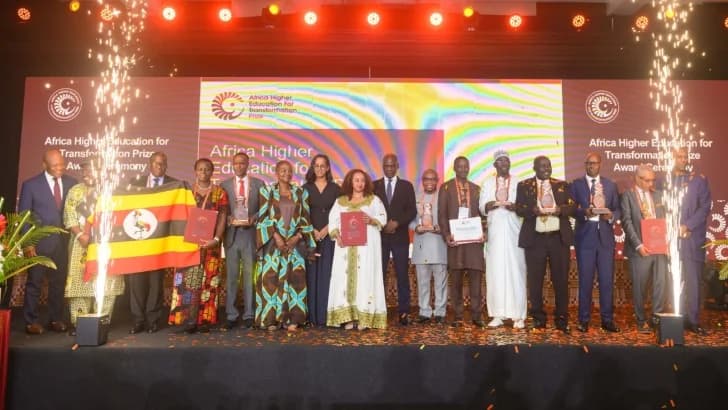
In a landmark move to reshape the future of African youth, leaders from across the continent gathered in Accra for the inaugural Higher Education Transformation Convening. Hosted by the Mastercard Foundation, the event centered on the urgent need to overhaul education systems to ensure they foster meaningful economic participation and workforce readiness. Central to the discussions was a collective commitment of $500 million dedicated to transformative initiatives, signaling a significant investment in the human capital of Africa.
The convening served as the platform for the first Africa Higher Education for Transformation Prize, which recognized institutions that have demonstrated excellence in driving systemic change. Five institutions from Ethiopia, Burkina Faso, Ghana, Uganda, and Rwanda were honored for their forward-thinking approaches. Notable recipients included the Kwame Nkrumah University of Science and Technology (KNUST) in Ghana and Addis Ababa University in Ethiopia. These awards highlight a growing movement toward educational models that prioritize practical outcomes and institutional agility in a rapidly changing global landscape.
A primary focus of the deliberations was the critical need to align academic curricula with the evolving demands of the modern workforce. Participants emphasized that higher education must move beyond traditional learning models to incorporate research and innovation that directly informs community and industry practices. Furthermore, the convening underscored the importance of active youth participation, urging policymakers to include young voices in the design and implementation of educational frameworks to ensure they remain relevant to the generation they serve.
Ultimately, the Mastercard Foundation’s initiative seeks to create robust pathways for youth employment by bridging the gap between graduation and the job market. By fostering a collaborative environment where industry leaders, educators, and students interact, the convening set a new precedent for how African nations can leverage education as a catalyst for sustainable economic development. The $500 million commitment represents a strategic, long-term effort to ensure that the continent’s growing youth population is equipped to lead and innovate within their respective economies.


